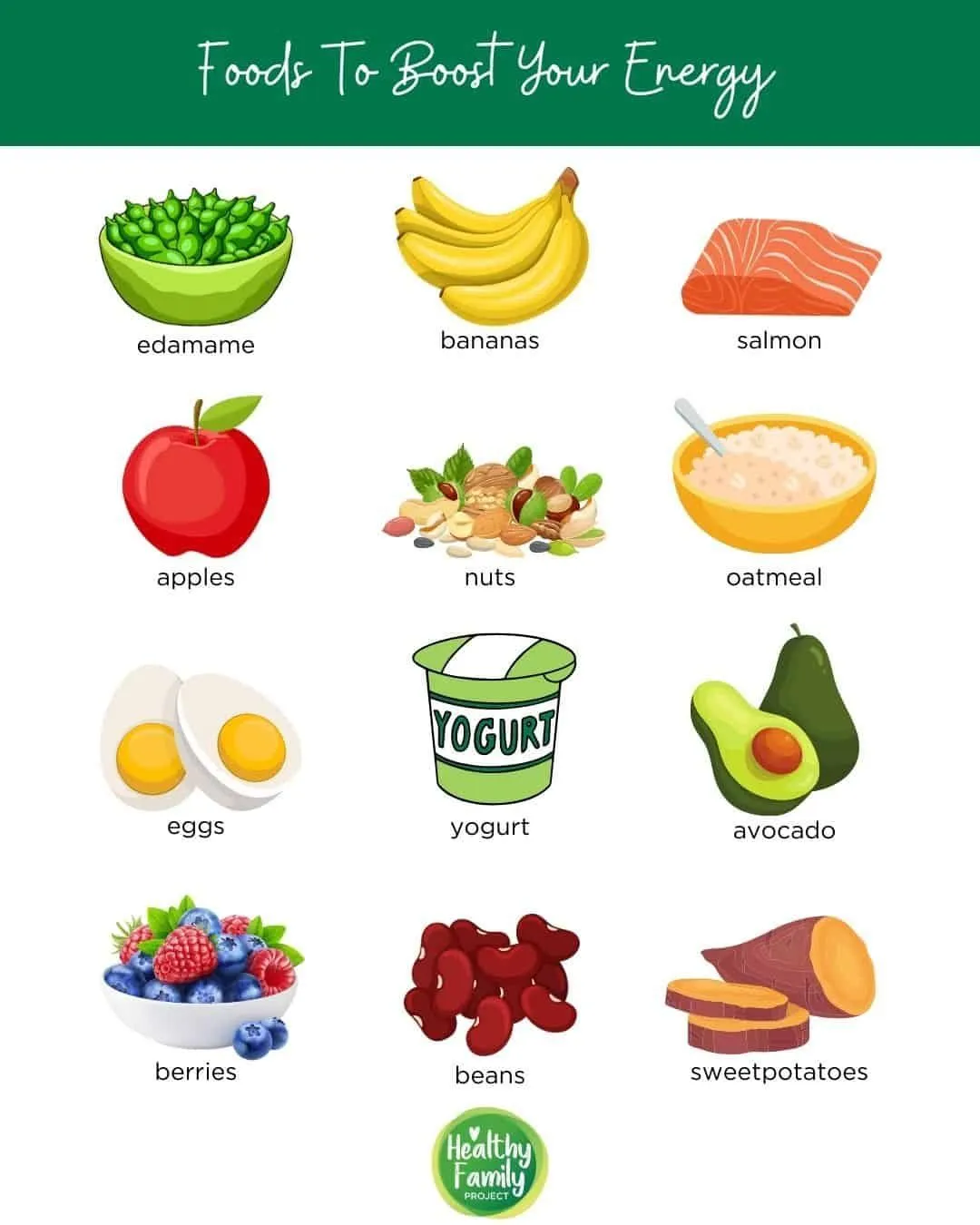
Maintaining high energy levels throughout the day is essential for productivity, physical performance, and overall well-being. Many people experience tiredness, sluggishness, or difficulty concentrating because of poor eating habits rather than a lack of sleep alone. The foods you eat directly influence how your body produces and uses energy. Choosing nutrient-rich foods that release energy steadily can help you stay active, focused, and healthy from morning until night.
Unlike sugary snacks or highly processed foods that provide a quick burst of energy followed by a crash, wholesome foods supply vitamins, minerals, fibre, healthy fats, proteins, and complex carbohydrates that support sustained energy production. A balanced diet also helps regulate blood sugar levels, supports brain function, and improves physical endurance.
This beginner’s guide explains how the body creates energy, the best energy-boosting foods to include in your diet, and practical tips for building eating habits that keep you active all day.
Why Nutrition Matters for Energy
Every activity your body performs, from walking and working to thinking and exercising, requires energy. This energy comes from the nutrients found in food. Carbohydrates are the body’s primary source of fuel, while proteins help repair and build tissues, and healthy fats provide long-lasting energy reserves. Vitamins and minerals also play a vital role in converting food into usable energy.
A balanced diet ensures that your body receives all the nutrients it needs to perform efficiently. Poor nutrition, skipping meals, or relying heavily on processed foods can leave you feeling fatigued and less productive.
How the Body Produces Energy
The body breaks down carbohydrates into glucose, which cells use as their primary fuel source. Excess glucose is stored as glycogen in the liver and muscles for later use. Healthy fats provide additional energy during prolonged physical activity, while proteins support muscle maintenance and recovery.
Several vitamins and minerals, including B vitamins, iron, magnesium, and potassium, assist in energy metabolism. A deficiency in these nutrients may contribute to tiredness and reduced physical performance.
Understanding this process highlights why balanced meals are more effective than quick fixes such as sugary drinks or snacks.
Oats: A Perfect Start to the Day
Oats are widely recognised as one of the best breakfast foods for sustained energy. They are rich in complex carbohydrates and dietary fibre, which slow digestion and provide a gradual release of glucose into the bloodstream.
This steady energy supply helps prevent sudden spikes and drops in blood sugar levels. Oats also contain important nutrients such as iron, magnesium, and B vitamins that support energy production.
Preparing oats with fruits, nuts, or yoghurt creates a nutritious breakfast that keeps you satisfied for longer.
Bananas: Nature’s Energy Snack
Bananas are a convenient and naturally nutritious source of energy. They contain carbohydrates, natural sugars, fibre, potassium, and vitamin B6, making them an excellent choice before or after physical activity.
The combination of natural sugars and fibre provides quick yet sustained energy, while potassium supports normal muscle function. Bananas are easy to carry and require no preparation, making them a practical snack for busy days.
Eggs: High-Quality Protein for Lasting Energy
Eggs provide high-quality protein along with essential vitamins and minerals. Protein helps slow digestion, promotes satiety, and supports muscle repair and maintenance.
Eggs are also a source of choline, a nutrient important for brain health and cognitive function. Including eggs in breakfast can help reduce hunger and maintain energy throughout the morning.
Whether boiled, scrambled, or prepared in an omelette with vegetables, eggs are a versatile addition to a healthy diet.
Nuts and Seeds: Nutrient-Dense Energy Sources
Almonds, walnuts, pistachios, chia seeds, flaxseeds, and pumpkin seeds contain healthy fats, protein, fibre, vitamins, and minerals.
These nutrients provide long-lasting energy while supporting heart health and brain function. Magnesium found in many nuts and seeds plays an important role in converting food into energy.
Because nuts are energy-dense, moderate portions are generally sufficient to provide lasting benefits without excessive calorie intake.
Fresh Fruits for Natural Energy
Fresh fruits provide natural carbohydrates, fibre, vitamins, antioxidants, and water.
Apples, oranges, berries, grapes, and pears can supply energy while supporting hydration and overall health. Their fibre content slows sugar absorption, helping maintain stable energy levels.
Eating whole fruits instead of fruit juices usually provides greater nutritional benefits because the fibre remains intact.
Whole Grains for Sustained Fuel
Whole grains such as brown rice, quinoa, whole wheat, barley, and millets provide complex carbohydrates that release energy gradually.
Unlike refined grains, whole grains retain their fibre, vitamins, and minerals, supporting digestive health and steady blood sugar levels.
Including whole grains in meals helps maintain consistent energy during work, study, or physical activity.
Leafy Green Vegetables
Spinach, kale, fenugreek leaves, and other leafy greens contain iron, folate, magnesium, and numerous vitamins.
Iron helps transport oxygen throughout the body, supporting physical performance and reducing fatigue. Magnesium contributes to normal muscle and nerve function as well as energy production.
Regular consumption of leafy vegetables supports overall health while contributing to sustained vitality.
Lean Proteins for Muscle Support
Lean protein sources such as fish, chicken, legumes, lentils, beans, tofu, and low-fat dairy products provide essential amino acids.
Protein supports muscle maintenance, recovery, and prolonged feelings of fullness. Combining protein with complex carbohydrates creates balanced meals that provide stable energy for several hours.
Plant-based proteins are also excellent options for vegetarians and vegans seeking nutritious energy sources.
Yoghurt and Fermented Dairy
Yoghurt provides protein, calcium, and beneficial bacteria that support digestive health.
A healthy digestive system improves nutrient absorption, allowing the body to use food more efficiently for energy.
Adding fresh fruit or nuts to plain yoghurt creates a balanced snack that supports sustained activity.
Stay Hydrated Throughout the Day
Hydration is closely connected to energy levels. Even mild dehydration can affect concentration, physical performance, and mood.
Drinking adequate water throughout the day helps regulate body temperature, transport nutrients, and maintain normal bodily functions.
Water should be the primary source of hydration, although fruits, vegetables, soups, and herbal beverages can also contribute to daily fluid intake.
Avoid Excessive Sugary Foods
Sugary snacks, sweetened beverages, and highly processed foods often provide a rapid increase in blood sugar followed by a sudden drop.
This cycle can leave individuals feeling tired and hungry shortly after eating.
Replacing processed snacks with nutrient-rich foods supports more consistent energy and better overall health.
Moderation is important, and occasional treats can still fit into a balanced diet.
Eat Balanced Meals
Each meal should ideally include a combination of complex carbohydrates, lean protein, healthy fats, and vegetables or fruits.
This balanced approach helps provide a steady supply of nutrients while supporting stable blood sugar levels and reducing unnecessary hunger.
Skipping meals may result in lower energy levels, making regular, balanced eating an important habit.
Healthy Snacking Between Meals
Nutritious snacks can help maintain energy between main meals, especially during busy workdays or long study sessions.
Choosing combinations such as fruit with nuts, yoghurt with berries, or whole-grain crackers with hummus provides balanced nutrition without excessive calories.
Healthy snacks prevent excessive hunger and help maintain focus throughout the day.
Lifestyle Habits That Support Energy
Food is only one part of maintaining high energy levels. Adequate sleep, regular physical activity, stress management, and consistent meal timing also contribute to sustained vitality.
Exercise improves circulation and cardiovascular fitness, while quality sleep allows the body to recover and restore energy reserves.
Managing stress through relaxation techniques or mindfulness can also reduce fatigue and improve daily performance.
Common Mistakes That Reduce Energy
Many people unknowingly adopt habits that reduce their energy throughout the day. Skipping breakfast, eating excessive processed foods, drinking too little water, consuming too much caffeine, and sleeping irregularly can all contribute to fatigue.
Replacing these habits with healthier alternatives often leads to noticeable improvements in energy, concentration, and overall well-being.
Small, gradual lifestyle changes are generally easier to maintain than sudden dietary overhauls.
Conclusion
Maintaining consistent energy throughout the day begins with making smart food choices. Nutrient-rich foods such as oats, bananas, eggs, nuts, seeds, whole grains, fresh fruits, leafy vegetables, lean proteins, and yoghurt provide the vitamins, minerals, fibre, and macronutrients needed for sustained physical and mental performance.
Healthy eating should be combined with adequate hydration, regular exercise, quality sleep, and balanced daily routines to achieve the best results. Rather than relying on sugary snacks or energy drinks for temporary boosts, focus on building long-term eating habits that naturally support your body’s energy needs.
By understanding how nutrition influences energy production and choosing wholesome foods consistently, beginners can improve their health, increase productivity, and stay active throughout the day while creating a sustainable foundation for lifelong wellness.
Read more – topstablegames.com