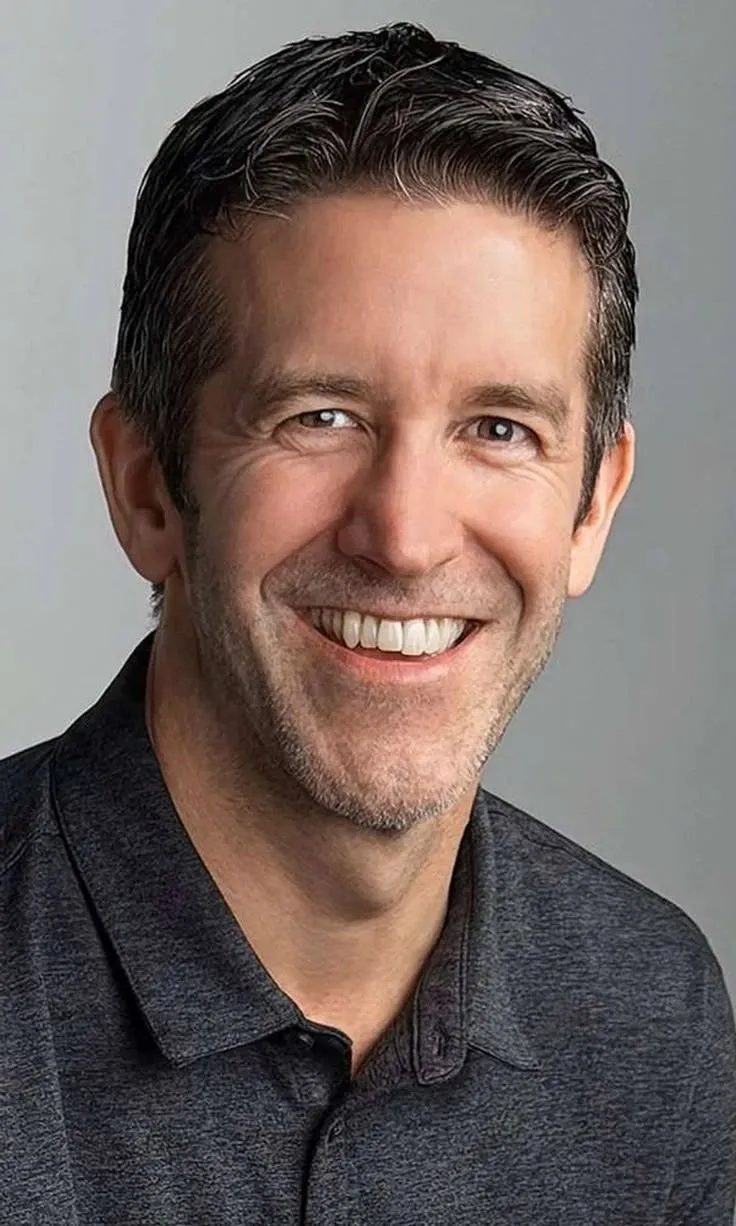
John Ternus assumes the role of Apple chief executive on September 1, succeeding Tim Cook after a 15-year tenure that transformed the company into one of the world’s most valuable enterprises. The transition places a long-time hardware engineer at the helm of a firm that dominates the smartphone market yet faces pressure to accelerate its progress in artificial intelligence.
Ternus, 51, joined Apple in 2001 and rose through the ranks to become senior vice president of hardware engineering. In that position he oversaw the engineering teams responsible for the company’s entire product lineup, including the iPhones that generate the majority of revenue, as well as iPads, AirPods and Macs. His selection signals continuity in Apple’s core strength—designing and refining physical devices—while positioning hardware innovation as central to the company’s response to the AI era.
A Hardware Veteran for an AI-Driven Future
Apple has long excelled at integrating software and silicon into elegant, user-friendly products. Ternus spent a quarter-century refining that integration, beginning as an engineer working on Macs and later taking responsibility for successive generations of major product lines. Analysts note that this background aligns with Apple’s historical approach: rather than treating AI as a standalone platform, the company has sought to embed intelligent features into devices people already use daily.
The incoming chief executive inherits an ambitious product pipeline he helped shape. The annual fall event, scheduled shortly after he takes office, is expected to showcase the first foldable iPhone. Beyond that, internal development has included devices such as camera-equipped AirPods capable of interpreting surroundings, smart glasses, intelligent home displays and wearable pendants. These products are viewed as vehicles for delivering AI experiences that feel seamless rather than bolted on.
Some observers had argued that software chief Craig Federighi represented the more logical choice for a company working to close the gap with competitors in generative AI and large language models. Federighi has overseen operating systems and, more recently, expanded responsibility for core AI efforts. The decision to elevate the hardware leader instead reflects a deliberate bet that the next phase of growth will be driven by new form factors and tighter integration of intelligence into physical products rather than by software platforms alone.
Challenges of Catching Up on Artificial Intelligence
Apple trails several peers in the visibility and speed of its generative AI offerings. Features under the Apple Intelligence banner have rolled out more gradually than comparable capabilities from rivals, and major overhauls of Siri have faced delays. The company has pursued partnerships to supplement its own models while continuing internal research. Ternus has previously described Apple’s approach to AI as a marathon rather than a sprint, emphasising that successful implementation should feel invisible and simply make everyday tasks easier.
The new CEO will need to accelerate progress without abandoning the qualities that define Apple products: privacy, reliability and intuitive design. Hardware remains the company’s primary revenue engine. Success in the AI era will therefore depend on ensuring that new devices and updated existing ones deliver compelling intelligent experiences that justify continued customer loyalty and premium pricing.
Ternus arrives with deep technical knowledge but less direct experience in areas such as finance, sales, legal affairs and government relations. He is expected to rely on Apple’s established executive team for those functions while focusing on product direction and engineering execution. Tim Cook, moving into the role of executive chairman, is positioned to continue handling certain external relationships, including engagement with policymakers and issues related to China.
Balancing Innovation, Supply Chains and Geopolitics
One of the most complex challenges facing the new leadership is Apple’s heavy reliance on manufacturing and supply chains centred in China, set against evolving political and trade pressures. Cook built a highly efficient global supply network that supported the company’s scale. Ternus will need to maintain operational excellence while exploring greater geographic diversification and responding to external demands.
At the same time, the competitive landscape in consumer technology continues to shift. Rivals have moved quickly to integrate generative AI into phones, computers and new categories of devices. Apple’s response has prioritised on-device processing and privacy protections, consistent with its long-standing philosophy. Translating that philosophy into features that feel competitive and delightful will be a central test of Ternus’s tenure.
Analysts have expressed confidence that the company Cook leaves behind is in strong financial and operational condition. The task now is to define the next chapter—one in which hardware innovation and AI capabilities reinforce each other. Ternus’s background suggests he will lean into product excellence and the engineering culture that has defined Apple’s most successful periods.
Continuity and the Road Ahead
The leadership change is the result of a deliberate, multi-year succession process. Cook has described Ternus as possessing the mind of an engineer, the soul of an innovator and the integrity required to lead. The incoming CEO joins the board of directors as he assumes the top operational role.
In the near term, attention will focus on the September product event and the reception of new devices, particularly any foldable iPhone and enhanced intelligent features. Longer-term success will be measured by Apple’s ability to turn AI from a catch-up exercise into a source of differentiation that sustains its premium position and expands its ecosystem.
John Ternus steps into the role at a moment when the industry is redefining what personal technology can do. By placing a hardware veteran in charge, Apple is signalling that its path through the age of artificial intelligence will continue to run through the devices people hold, wear and place in their homes. The coming years will reveal whether that strategy allows the company to extend its decades-long run of success into a new technological era.
Read more – quotewaala.com