A now-deleted social media post by a Bengaluru entrepreneur has ignited a sharp national conversation about whether a person’s place of origin or gender should influence hiring decisions. The post, which outlined a company policy excluding male candidates from certain states, was removed within hours amid intense backlash. Yet the questions it raised about women’s safety, regional bias and equal opportunity continue to resonate across workplaces and public discourse.
The Post That Sparked the Debate
The controversy began when the founder of a Bengaluru-based organisation that runs sports programmes for children announced that the company would no longer hire male candidates from four northern states: Uttar Pradesh, Bihar, Rajasthan and Madhya Pradesh. The decision, he said, followed internal discussions and was linked to the alleged misconduct of a former employee from one of those states.
According to the entrepreneur’s subsequent explanations, the employee had initially presented a clean résumé and background. After joining, he allegedly became abusive toward female colleagues despite repeated warnings and was later accused of forcing himself on one of them. The company, which works with young children and employs a significant number of women, decided that safeguarding concerns justified a blanket restriction on male hires from those regions.
The post quickly drew widespread attention. Supporters argued that employers have a duty to protect staff and that past experiences can legitimately shape risk assessment. Critics condemned the approach as discriminatory, pointing out that the actions of one individual cannot justify excluding an entire demographic based on geography and gender.
Safety Concerns Versus Blanket Restrictions
Workplace safety, particularly for women, remains a legitimate and pressing issue in India. Organisations are legally required to maintain safe environments, implement Prevention of Sexual Harassment (POSH) mechanisms, conduct timely inquiries and take appropriate action against proven misconduct. Background verification, reference checks and clear codes of conduct form part of standard due diligence.
However, experts and employment specialists emphasise that risk management should focus on individual behaviour and verifiable information rather than collective identity. A single incident, however serious, does not establish that all men from a particular state share the same attitudes or pose the same risk. Blanket exclusions based on region or gender risk reinforcing stereotypes, limiting talent pools and exposing organisations to legal and reputational challenges under equality and non-discrimination principles.
Effective alternatives include rigorous background checks, structured interviews that probe values and past conduct, probationary periods with close monitoring, robust internal complaint systems, regular sensitisation training, and visible security and reporting mechanisms. These measures address actual risk without punishing people for where they were born or the address on their identity documents.
The Deeper Questions of Opportunity and Mobility
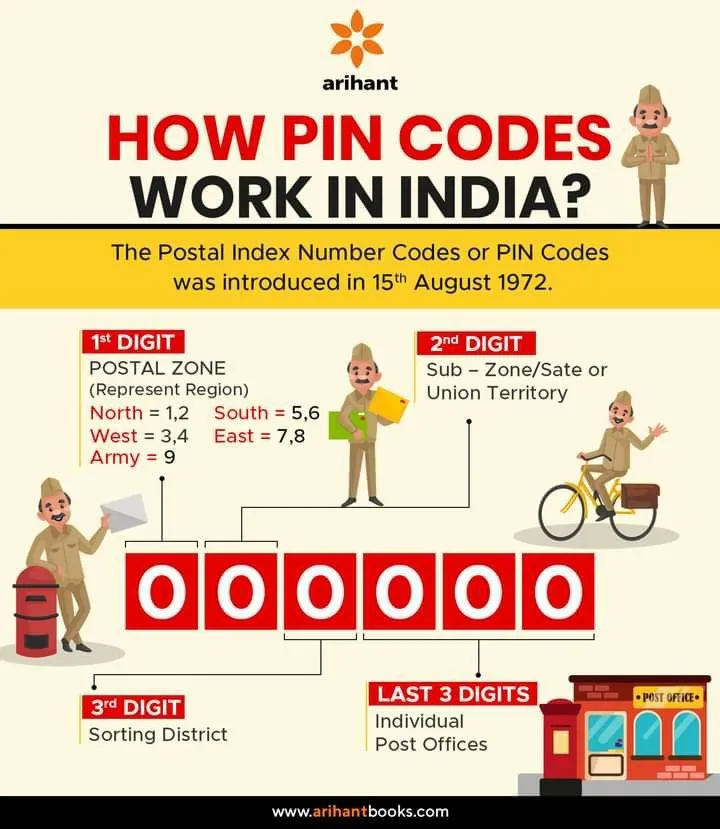
For many young Indians, especially those from smaller towns or less industrialised states, moving to cities such as Bengaluru represents a pathway to better livelihoods. Hiring decisions that factor in state of origin or pin code can close those pathways before skills or character are even assessed. When such filters become normalised, they undermine the principle that opportunity should rest on merit, conduct and capability.
Regional stereotypes have long existed in India’s internal migration landscape. Workers from certain states have faced prejudice in housing, social acceptance and employment in various parts of the country. Gendered restrictions compound the problem: excluding men from specific regions while continuing to hire women from the same places creates an inconsistent standard that still relies on collective judgment rather than individual evaluation.
At the same time, dismissing safety concerns outright ignores the lived experiences of many women who face harassment at work or during their commute. The challenge is to respond to those realities with precise, evidence-based tools rather than broad geographic bans.
Legal and Ethical Dimensions
Indian law prohibits discrimination on grounds such as religion, race, caste, sex and place of birth in certain contexts. While private employers retain considerable latitude in hiring, policies that systematically exclude candidates on the basis of gender combined with state of origin sit uncomfortably with constitutional values of equality and the broader push for inclusive workplaces. POSH legislation places affirmative duties on employers to prevent and address sexual harassment; it does not authorise collective punishment of demographic groups.
Ethically, organisations that work with children or vulnerable populations carry heightened responsibilities. Those responsibilities are best met through careful screening of every candidate, clear behavioural expectations, swift action against violations, and a culture that prioritises respect and accountability. Replacing individual assessment with regional or gender filters risks both unfairness and ineffectiveness, since problematic behaviour is not confined to any single geography.
Moving Beyond Polarised Reactions
The intensity of the reaction to the Bengaluru post reflects deeper anxieties: anxiety about women’s safety in workplaces and cities, anxiety about discrimination against internal migrants, and anxiety about whether economic opportunity in India’s growth centres remains truly open. Productive progress requires holding both concerns simultaneously.
Companies can strengthen safety without resorting to exclusionary shortcuts. Candidates can be evaluated on their records, references, interview performance and demonstrated values. Societies can improve policing, judicial processes and social attitudes so that misconduct is addressed at the individual level rather than projected onto entire communities. Policymakers and industry bodies can promote clearer guidance on fair hiring while supporting robust POSH compliance and background verification infrastructure.
A Question of Fairness and Safety Together
The deleted post has left behind a necessary conversation. Can an employer’s legitimate desire to protect staff justify decisions that treat large groups of people as inherently higher risk because of their pin code or home state? Most legal and ethical frameworks answer no. Risk is individual. Safety systems must be rigorous. Opportunity should not be rationed by geography or gender.
In a country as diverse and mobile as India, the ability to seek work across state boundaries remains one of the most important engines of social and economic mobility. Protecting that mobility while building genuinely safe workplaces is not a zero-sum choice. It is a practical and moral necessity that demands better tools, clearer standards and a consistent refusal to judge people by the accidents of birth rather than the content of their conduct.
Read more – Penalcodedetail.com