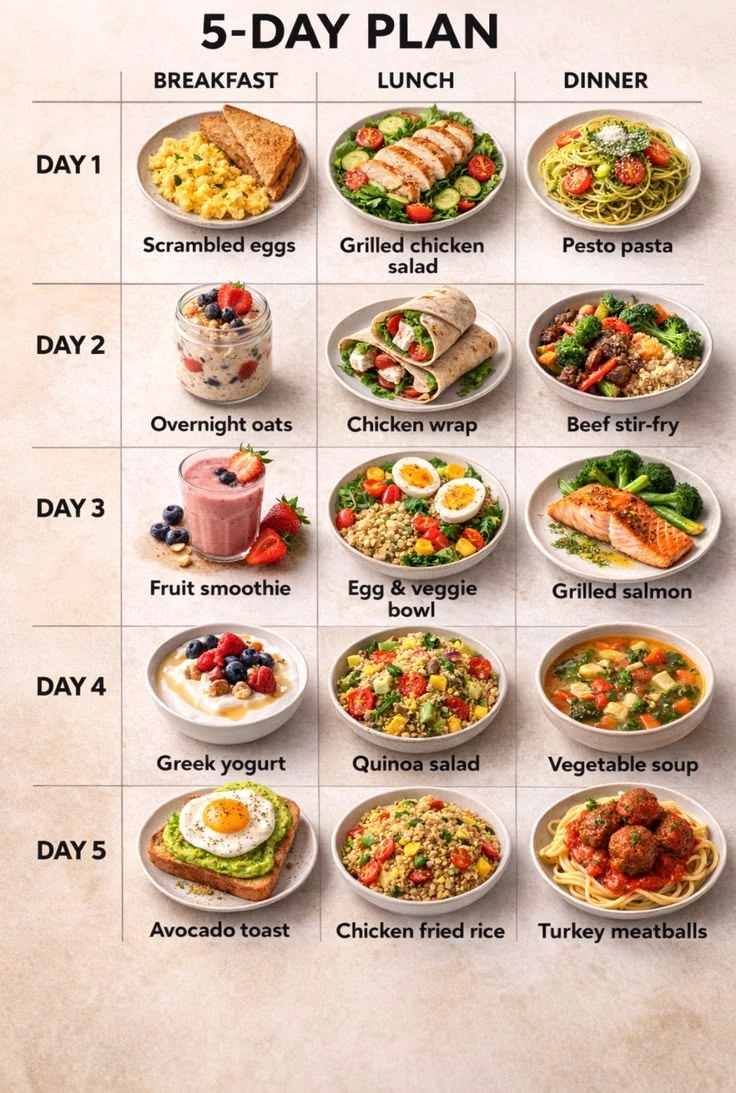
A healthy gut is the foundation of overall wellness. The trillions of microorganisms living in our digestive tract — collectively known as the gut microbiome — influence everything from digestion and nutrient absorption to mood regulation and immune function. In fact, nearly 70% of the immune system resides in the gut. Supporting this delicate ecosystem with the right foods can significantly enhance both gut health and immunity, helping the body defend against infections, reduce inflammation, and maintain long-term vitality.
The connection between gut health and immunity is powerful. A diverse and balanced microbiome strengthens the intestinal barrier, regulates immune responses, and produces beneficial compounds like short-chain fatty acids. The best dietary approach combines probiotic foods (which introduce beneficial bacteria) and prebiotic foods (which feed those bacteria), along with anti-inflammatory and nutrient-dense options.
Probiotic-Rich Foods: Introducing Good Bacteria
Probiotics are live beneficial bacteria found in fermented foods. Regular consumption helps replenish and diversify the gut microbiome.
1. Yogurt with Live Cultures
Plain yogurt containing live and active cultures is one of the most accessible probiotic foods. It delivers strains like Lactobacillus and Bifidobacterium, which support digestion and immune modulation. Choose unsweetened varieties to avoid added sugars that can harm gut bacteria.
2. Kefir
This fermented milk drink is more potent than yogurt, often containing 30–50 different strains of beneficial bacteria and yeasts. Its drinkable texture makes it easy to incorporate into smoothies, smoothies, or overnight oats. Kefir is particularly effective at improving lactose digestion and boosting immune markers.
3. Kimchi and Sauerkraut
These fermented vegetables are packed with probiotics, fiber, and antioxidants. Kimchi, a spicy Korean staple, and sauerkraut, a tangy European classic, both support gut diversity while providing vitamins A and C that enhance immunity.
4. Miso and Tempeh
Miso, a fermented soybean paste, adds savory depth to soups and dressings while delivering probiotics. Tempeh, a firm fermented soy product, offers plant-based protein alongside beneficial bacteria and prebiotic fiber.
Prebiotic Foods: Fueling Beneficial Bacteria
Prebiotics are non-digestible fibers that act as food for good gut bacteria, helping them thrive and produce health-promoting compounds.
5. Garlic, Onions, and Leeks
These allium vegetables are rich in inulin and fructooligosaccharides — powerful prebiotics. They not only feed beneficial bacteria but also possess antimicrobial and immune-boosting properties due to compounds like allicin.
6. Asparagus, Bananas, and Oats
Asparagus is a standout prebiotic vegetable. Slightly under-ripe bananas provide resistant starch that reaches the colon intact. Oats contain beta-glucan, which supports both gut bacteria and immune function by modulating inflammation.
7. Apples and Berries
Apples contain pectin, a prebiotic fiber that promotes the growth of beneficial bacteria. Berries, especially blueberries and strawberries, offer polyphenols and antioxidants that reduce gut inflammation and support immune resilience.
Additional Gut-Immune Superfoods
8. Leafy Greens and Cruciferous Vegetables
Spinach, kale, broccoli, and Brussels sprouts are loaded with fiber, vitamins, and antioxidants. They help maintain a strong intestinal barrier and provide nutrients essential for immune cell production.
9. Legumes and Whole Grains
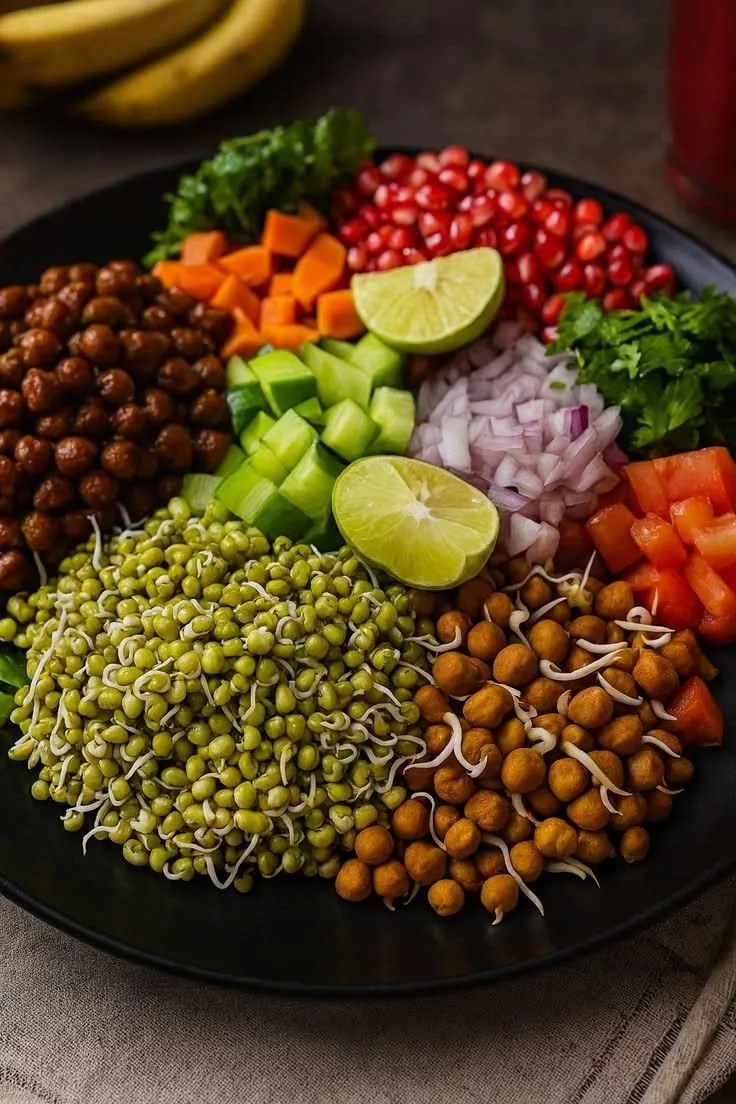
Beans, lentils, chickpeas, quinoa, and barley deliver a combination of prebiotic fiber and plant protein. They promote the production of short-chain fatty acids that strengthen immunity and reduce systemic inflammation.
10. Healthy Fats from Olive Oil, Avocados, and Nuts
These foods support the absorption of fat-soluble vitamins and reduce inflammation. Extra virgin olive oil, in particular, contains polyphenols that benefit both gut bacteria and immune health.
How These Foods Work Together
The most effective strategy is to combine probiotic and prebiotic foods in the same meal — often called “synbiotic” eating. For example, adding bananas and berries to yogurt, or enjoying kimchi with a side of asparagus, creates a powerful synergy. A diverse diet containing 30 different plant foods per week is associated with significantly healthier gut microbiomes and stronger immunity.
Practical Tips for Daily Implementation
- Start your day with a probiotic-rich breakfast like yogurt with oats and berries.
- Include fermented vegetables as a side with lunch or dinner.
- Snack on prebiotic-rich options such as apples with almonds or banana with peanut butter.
- Experiment with recipes: try miso soup, overnight kefir oats, or garlic-roasted vegetables.
- Stay hydrated, as water helps fiber move through the digestive system and supports overall microbial balance.
- Reduce intake of processed foods, added sugars, and artificial sweeteners, which can disrupt gut harmony.
Long-Term Benefits
Consistently eating these foods can lead to improved digestion, stronger immunity, better mood, clearer skin, and more stable energy levels. Research shows that a healthy gut microbiome enhances vaccine responses, reduces the severity of allergies, and may even lower the risk of chronic conditions like autoimmune diseases and metabolic disorders.
Building these habits gradually yields the best results. Focus on adding beneficial foods rather than completely eliminating others. Over time, your taste preferences will naturally shift toward these nutrient-dense options.
A strong immune system and healthy gut are not achieved through occasional efforts but through daily, consistent choices. By making these gut-friendly foods a regular part of your meals, you invest in long-term health, resilience, and vitality. Small changes in your diet can create a powerful ripple effect throughout your entire body, supporting both immediate wellbeing and future health.
Read more – mediyahub.com