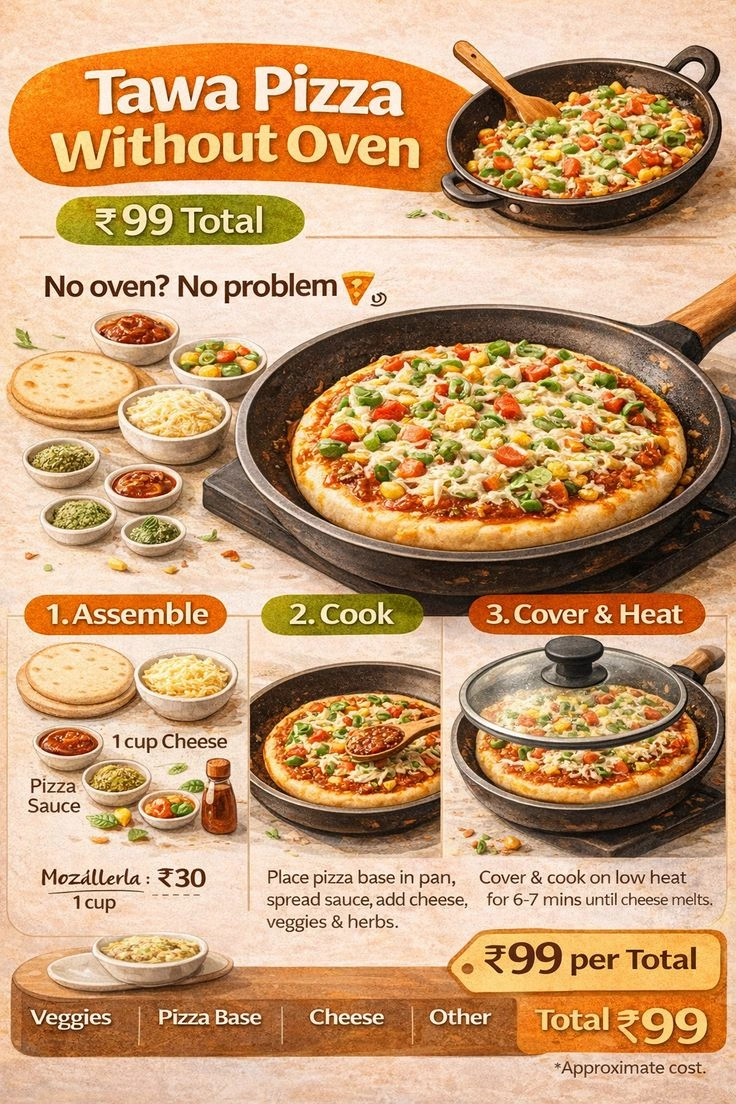
Pizza is one of the world’s most beloved comfort foods, offering endless possibilities for customization and satisfaction. While traditional recipes rely on a hot oven for that signature crisp crust and bubbly cheese, you can achieve excellent results entirely on the stovetop using a skillet, frying pan, or tawa (flat griddle). This method delivers a golden, crispy base with a tender interior, perfectly melted toppings, and all the flavors you crave—without heating up your kitchen or requiring special equipment.
Stovetop pizza, often called pan pizza or skillet pizza, works by cooking the dough directly in a heated pan, sometimes flipping it for even browning, and using a lid to create a steamy environment that melts the cheese. It’s quick, energy-efficient, and ideal for beginners, small kitchens, or warm weather. With practice, you can produce restaurant-quality pizza in under 30 minutes per pie.
Essential Equipment
You’ll need:
- A 10- to 12-inch non-stick skillet, cast iron skillet, or heavy frying pan with a tight-fitting lid.
- A rolling pin or your hands for shaping dough.
- Spatula for flipping (if using that technique).
- Basic kitchen tools for prep.
Cast iron excels at retaining and distributing heat for superior crispiness, but a good non-stick pan works well too. Preheat the pan properly for best results.
Choosing and Preparing the Dough
Two main approaches suit stovetop cooking: no-yeast quick dough and traditional yeast dough.
No-Yeast Dough (Fastest Option): This yogurt-based or baking powder dough requires no rising time, making it perfect for last-minute cravings. Combine 1 cup all-purpose flour, ½ cup plain yogurt, 1 teaspoon baking powder, ½ teaspoon salt, and 1 teaspoon olive oil. Mix until a soft dough forms, adding a splash of water if needed. Knead briefly, rest for 10-15 minutes, then roll out. The yogurt adds tenderness and helps with browning.
Yeast Dough (For More Flavor and Chew): Use 2-3 cups all-purpose or bread flour, 1 teaspoon instant yeast, 1 teaspoon sugar, 1 teaspoon salt, 2 tablespoons olive oil, and about 1 cup warm water. Mix into a soft dough, knead for 5-8 minutes until smooth, and let rise for 1-2 hours (or longer in the fridge for better flavor). For high-hydration versions (around 75% water), a no-knead overnight rest develops excellent gluten and taste.
Portion the dough for individual 10-inch pizzas. Let it come to room temperature for easier handling. Lightly flour your surface and roll or stretch to about ¼-inch thick for a balance of crisp and chewy.
Homemade Pizza Sauce
A great sauce elevates your pizza. A simple no-cook version blends tomato paste, tomato sauce or crushed tomatoes, olive oil, minced garlic, dried oregano, basil, Italian seasoning, salt, pepper, and a pinch of sugar. Let it sit for flavors to meld. For a cooked sauce, gently sauté garlic in olive oil, add tomatoes and herbs, and simmer until thickened. Aim for ½ cup per pizza—too much sauce makes the crust soggy.
Toppings and Assembly
Keep toppings balanced to avoid weighing down the crust. Classics include:
- Margherita: Fresh mozzarella, tomato sauce, basil.
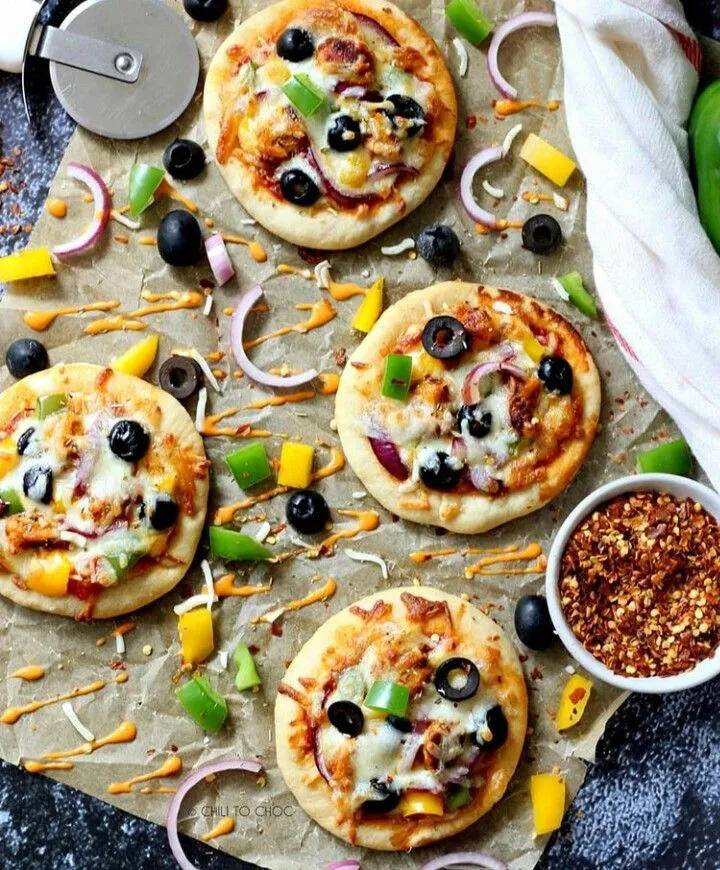
- Veggie: Sliced bell peppers, onions, mushrooms, olives.
- Meat lovers: Pepperoni, sausage, or ham.
- Popular combos: Pepperoni and mushrooms; sausage, onion, and green pepper.
Use low-moisture mozzarella for better melting without excess water. Pre-cook hearty toppings like sausage or thick vegetables. Grate cheese fresh for superior melt. Add delicate items like fresh basil after cooking.
Lightly oil the pan. Place the rolled dough in the heated pan. Cook the first side until the bottom develops golden spots and the top starts to bubble (2-4 minutes on medium heat). Flip carefully if using the flip method, then add sauce (leaving a border for the crust), cheese, and toppings. Cover with a lid to trap steam and melt the cheese (another 3-5 minutes on low-medium heat).
Alternative No-Flip Method: Cook one side partially, add toppings, cover, and finish on lower heat. The lid acts like an oven, creating convection for even cooking.
Step-by-Step Guide to Stovetop Pizza
- Prep Ingredients: Have sauce, cheese, and toppings ready.
- Heat the Pan: Place your skillet over medium heat. Add 1-2 teaspoons olive oil and swirl to coat. Let it get hot (around 400-500°F if you have an infrared thermometer, though not essential).
- Cook the Base: Add the dough round. Cook until the underside is golden and crisp, pressing lightly with a spatula for even contact.
- Flip or Top: Flip for direct topping on the cooked side, or add toppings directly if not flipping. Spread sauce thinly, sprinkle cheese generously to the edges, and add toppings.
- Cover and Finish: Reduce heat to low-medium, cover, and cook until cheese melts and toppings are hot (3-6 minutes). Watch closely to prevent burning.
- Rest and Serve: Slide onto a cutting board or rack. Let rest 1-2 minutes for easier slicing. This prevents sogginess.
For extra crispiness, finish the bottom directly on the burner briefly after removing the lid.
Tips for Success
- Temperature Control: Medium to medium-low heat prevents burning while allowing the crust to cook through. Too high, and the outside chars before the inside sets.
- Don’t Overload: Heavy toppings release moisture. Use restraint, especially with watery vegetables or excessive sauce.
- Cheese Technique: Go heavy on cheese to the edges for those coveted crispy, caramelized bits (frico effect).
- Lid is Key: It creates steam to melt cheese and finish the top without an oven.
- Dough Thickness: Thinner for crispier results; slightly thicker for pan-style chew.
- Rest Dough: Room-temperature dough stretches easier and cooks more evenly.
- Oil Matters: A light coat on the pan and sometimes on the dough adds flavor and crispiness.
Experiment with whole wheat flour for nutrition or add herbs/garlic to the dough for flavor.
Variations and Customizations
- Tawa Pizza (Indian Style): Use a flat griddle. Cook covered on low flame for even results, popular with Indian spices or paneer toppings.
- Mini Pizzas: Make personal sizes for quicker cooking and fun customization.
- Sweet or Breakfast Pizza: Try Nutella with fruit or eggs and bacon for brunch twists.
- Gluten-Free: Use a suitable flour blend, though results may vary in structure.
Common Mistakes to Avoid
- Soggy crust from too much sauce or cold toppings.
- Burning by using high heat throughout.
- Tough dough from over-kneading or insufficient rest.
- Uneven cooking from a poorly fitting lid.
With a bit of practice, stovetop pizza rivals oven-baked versions. It’s forgiving, scalable for families or singles, and encourages creativity. The result is a hot, fresh pizza with a satisfying crunch that’s ready faster than delivery.
Whether you’re in a dorm, traveling, or simply avoiding the oven on a hot day, this technique opens up homemade pizza to everyone. Gather quality ingredients, master the basic method, and soon you’ll be crafting signature pies that impress. Enjoy the process—the aroma alone makes it worthwhile. Your perfect no-oven pizza awaits.
Read more – medianewsqo.com