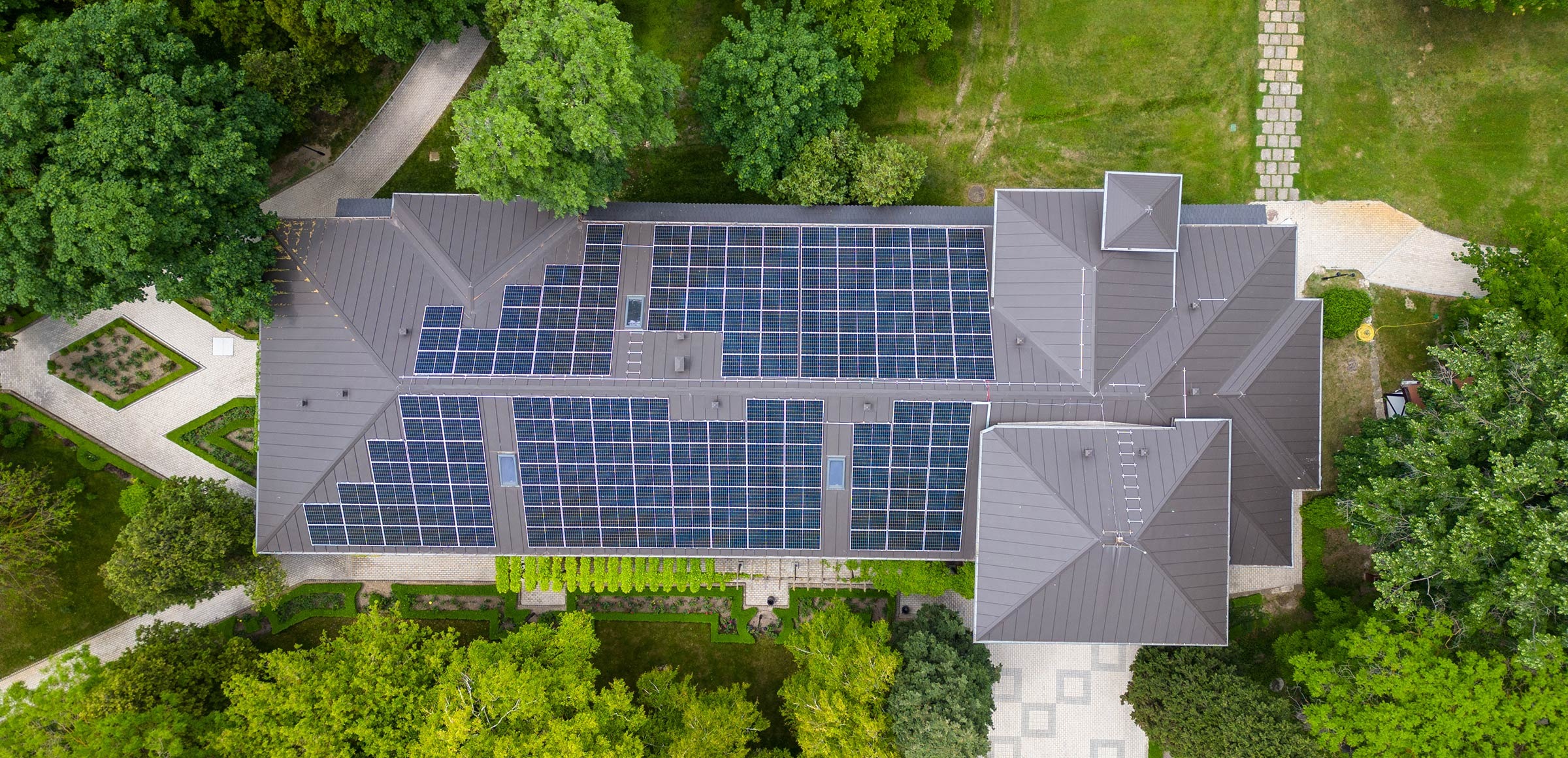
Why Solar Power Keeps Growing
Electricity bills have become a real concern for many families, and that is probably one of the biggest reasons people are looking at solar energy with fresh interest. Years ago, solar panels felt expensive and complicated. Things have changed quite a bit now. Prices have dropped, technology has improved, and homeowners have started realizing that generating electricity from sunlight is no longer just an environmental choice. It is also a financial decision that can make sense over many years. Understanding solar panel efficiency helps you know what kind of performance you can realistically expect before making a purchase.
What Solar Panel Efficiency Actually Means
Many people hear the word efficiency and immediately assume it means the panel will create unlimited electricity. That is not how it works in real life. Solar panel efficiency simply measures how much sunlight a panel can convert into usable electricity under standard testing conditions. If a panel has an efficiency rating of twenty-two percent, it means roughly twenty-two percent of the sunlight hitting that surface becomes electrical energy.
The remaining sunlight becomes heat or is reflected away. Higher efficiency does not mean magic. It simply means more electricity is produced from the same amount of roof space. That difference becomes valuable when available installation space is limited.
Higher Efficiency Does Not Always Mean Better Value
One common misunderstanding is believing that the highest efficiency panel automatically becomes the smartest investment. Sometimes that is true, but not always. Premium solar panels usually cost more than standard models. A slightly less efficient system may still generate enough electricity for your household while costing significantly less upfront.
The better choice depends on several things including your roof size, your electricity usage, your local weather, and your budget. Looking only at efficiency numbers without considering installation cost often leads to unnecessary spending.
Factors That Affect Panel Performance
Solar panels rarely operate under perfect laboratory conditions. Outside, many different factors influence how much electricity they actually produce each day.
Temperature surprises many homeowners because extremely hot weather can slightly reduce panel performance. Dirt, bird droppings, leaves, and dust can also block sunlight reaching the solar cells. Even partial shading from nearby trees or neighboring buildings may reduce power production more than people expect.
The angle of installation matters as well. Panels facing the correct direction with the proper tilt usually collect more sunlight throughout the year. Professional installers spend time calculating these details because small adjustments sometimes produce noticeable improvements.
Weather Plays a Bigger Role Than Most People Think
Sunny weather certainly helps solar production, yet panels continue generating electricity even during cloudy conditions. Output simply becomes lower because less sunlight reaches the cells. Rain often cleans accumulated dust naturally, which can actually improve performance afterward.
Snow behaves differently depending on how much collects on the panels. Thin layers usually melt quickly because dark solar panels absorb heat. Heavy snow covering the entire surface temporarily blocks electricity generation until it slides away or melts.
Seasonal differences are perfectly normal. Summer usually brings longer daylight hours while winter naturally produces lower total energy output.
Roof Size Changes Everything
A large roof gives homeowners more flexibility. More panels usually mean more electricity generation even if each individual panel has average efficiency. Smaller roofs create different challenges because every square meter becomes valuable.
This is where high-efficiency panels become attractive. They allow homeowners to produce more electricity within limited installation space. Apartment buildings, compact homes, and urban properties often benefit the most from premium panels because available roof area cannot easily be expanded.
Choosing the right system should always begin with measuring available installation space instead of shopping based only on advertisements.
How Solar Panels Reduce Your Energy Bill
The biggest financial advantage comes from producing electricity instead of purchasing every unit from your utility company. During sunny hours, your home can directly use electricity generated by the solar panels. That immediately reduces how much electricity must come from the power grid.
Many households notice lower monthly bills shortly after installation. The exact savings depend on electricity rates, daily power usage, local sunshine, and the overall size of the installed system.
Homes with high daytime electricity consumption often experience faster financial benefits because they use more of their own generated energy instead of buying it.
Long-Term Savings Can Be Surprisingly Large
Solar panels represent a long-term investment rather than a quick financial shortcut. Installation costs arrive first while savings build gradually over many years. Most quality systems continue producing electricity for twenty-five years or longer with proper maintenance.
As electricity prices increase over time, every unit of solar power becomes even more valuable. That is one reason many homeowners recover their initial investment sooner than expected. Future utility rate increases may strengthen those savings further.
Instead of thinking about one monthly bill, it helps to consider decades of reduced electricity expenses.
Maintenance Is Easier Than Many People Expect
People sometimes imagine solar panels require constant servicing. Fortunately, that usually is not the case. Most systems contain very few moving parts, reducing the chances of frequent mechanical failures.
Basic inspections once or twice each year remain a good idea. Cleaning accumulated dirt may improve production if heavy dust builds up regularly. Areas with frequent rainfall often require even less cleaning because nature does much of the work.
Professional inspections every few years can identify wiring issues, mounting concerns, or inverter problems before they become expensive repairs.
Batteries Can Increase Energy Independence
Solar panels generate electricity only while sunlight is available. Battery storage changes how that electricity gets used. Extra energy produced during sunny afternoons can be stored instead of immediately returning to the electrical grid.
That stored electricity becomes useful during evening hours or temporary power outages. Batteries increase energy independence, although they also add noticeable cost to the entire installation.
Not every homeowner needs battery storage immediately. Some choose to install solar panels first and add batteries later as prices become more affordable.
Choosing the Right Solar System
Buying the largest system available does not always produce the smartest financial outcome. The best system matches your household’s electricity needs without creating unnecessary expense.
Professional energy assessments help estimate annual electricity consumption and expected solar production. Comparing equipment warranties also deserves careful attention because manufacturers offer different coverage periods for panels, inverters, and performance guarantees.
Reading customer reviews, checking installer experience, and requesting multiple quotations often leads to better purchasing decisions than accepting the first offer presented.
Common Myths Still Confuse Buyers
Some people still believe solar panels stop working completely whenever clouds appear. That simply is not accurate because panels continue generating electricity under indirect sunlight, although at lower levels.
Another myth suggests solar panels damage roofs. Properly installed systems actually protect portions of the roof from direct sunlight and weather exposure. Installation quality matters far more than the panels themselves.
Many homeowners also assume maintenance costs become overwhelming. In reality, ongoing maintenance remains relatively low compared with many other household investments.
Making the Numbers Work for Your Home
Every home has different electricity usage patterns. A family working from home during daytime hours may benefit differently compared with someone who spends most daylight hours away. Looking carefully at electricity bills from the previous year gives a much clearer picture than estimating future consumption.
Financial calculations should include installation costs, expected electricity production, available government incentives where applicable, maintenance expenses, and estimated future utility prices. Viewing the complete picture helps avoid unrealistic expectations while making the investment decision much easier.
Conclusion
Solar panels are no longer a technology reserved for a small group of environmentally conscious homeowners. They have become a practical way to reduce electricity costs, improve energy independence, and increase long-term property value. Understanding solar panel efficiency allows buyers to compare systems realistically instead of chasing impressive marketing numbers alone. Every home has different energy needs, roof conditions, and financial goals, so there is rarely a single perfect solution for everyone. Take time to evaluate your options carefully, compare trusted installers, and calculate long-term savings before making a decision. Investing wisely today can lead to decades of lower energy bills and greater financial confidence.
Call to Action: If you are considering solar energy, schedule a professional home energy assessment, compare multiple installation quotes, and choose a system that fits both your budget and future electricity needs. A well-planned solar investment can deliver reliable savings for many years.