An Iranian court has sentenced acclaimed filmmaker Jafar Panahi to five years and one month in prison in a ruling delivered in absentia. The decision, reported by his lawyer, also includes the confiscation of his assets along with two-year bans on social media use and international travel. The specific charges underlying the latest conviction have not been publicly clarified.
The Latest Court Ruling
According to Panahi’s lawyer, Mostafa Nili, Branch 26 of the Tehran Revolutionary Court issued the sentence. Nili stated that the court ordered the seizure of all of Panahi’s movable and immovable property in addition to the prison term and the two-year restrictions on travel and social media activity.
The filmmaker and his legal team only learned of the verdict after Panahi’s bank accounts were frozen. They subsequently visited the sentence enforcement office of the Culture and Media Prosecutor’s Office, where the ruling came to light. Nili noted that Panahi had not been notified of the hearing date in advance. Court documents reportedly described him as being abroad and unreachable at the time, even though he had returned to Iran in late March.
As of the latest available information, Panahi had not been taken into custody following the announcement of the sentence. A friend who spoke with him after the ruling confirmed that he remained free at that point. The implementation of such sentences can be discretionary, and it remains unclear when or whether the prison term will be enforced.
Context of Multiple Legal Cases
Panahi currently faces three open legal cases, according to his lawyer. The new five-year sentence comes on top of an earlier one-year prison term. In December 2025, he was convicted in absentia of “propaganda activities against the system.” That earlier ruling, which also included a two-year travel ban and restrictions on membership in political or social organisations, was later upheld.
The filmmaker returned to Iran around 30 March 2026 after promoting his latest work abroad. His return occurred despite the outstanding legal issues and amid a period of heightened regional tension. He has continued to face legal scrutiny since arriving back in the country, including an appearance before an investigative court in connection with a separate matter earlier in the year.
A Career Marked by Recognition and Restriction
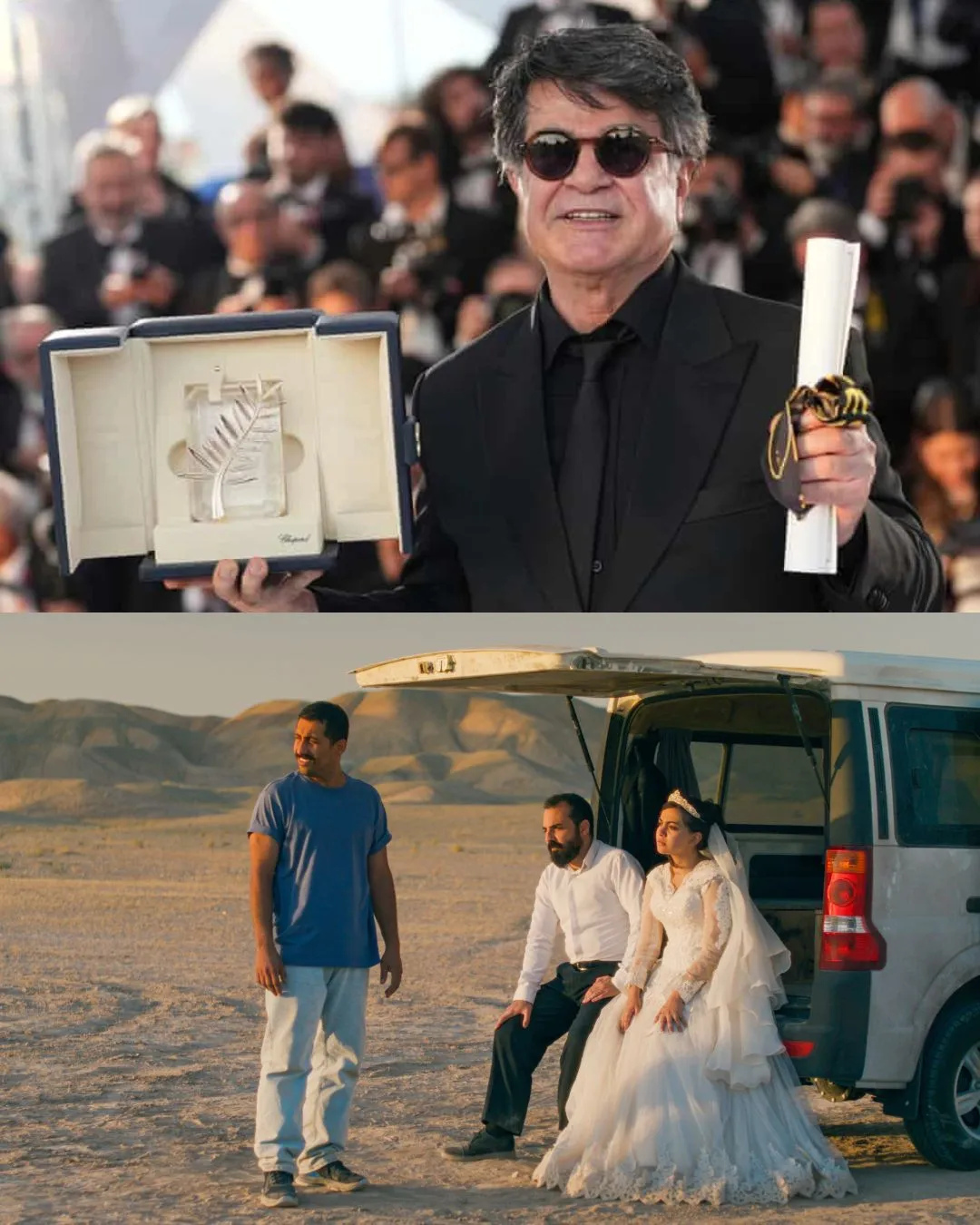
Jafar Panahi, 66, is one of Iran’s most internationally recognised directors. His 2025 film It Was Just an Accident won the Palme d’Or at the Cannes Film Festival, the highest honour at the event. The film was also selected as France’s official submission for the Academy Awards in the Best International Feature category and received further nominations and critical praise.
Panahi’s body of work has long examined social and political realities in Iran, often through stories of ordinary people navigating constraints. Over the years he has faced repeated legal challenges, including previous prison terms and long-standing bans on filmmaking, screenwriting and travel. He was imprisoned in 2022 and released in early 2023 after serving several months of a longer sentence. Despite these restrictions, he has continued to make films, sometimes under difficult conditions.
International Response and Ongoing Concerns
The latest sentencing has drawn attention from human rights organisations and figures in the international film community. Observers have noted a pattern of pressure on cultural figures in Iran and have raised questions about due process, particularly given the in-absentia nature of the ruling and the lack of publicly detailed charges.
Panahi’s lawyer has indicated that the sentence can be appealed. In the meantime, the freezing of bank accounts and the order to confiscate assets represent immediate practical consequences. The two-year bans on travel and social media further limit his ability to engage publicly or leave the country.
Broader Implications for Artistic Expression
Panahi’s case forms part of a longer history of tensions between Iranian authorities and filmmakers who address sensitive social themes. His international awards have elevated his profile while also, in the eyes of some observers, increasing official scrutiny. The combination of a substantial prison term, asset seizure and communication restrictions marks one of the most severe recent measures taken against him.
At the same time, his continued ability to produce and premiere work that reaches global audiences demonstrates the resilience of his artistic practice. It Was Just an Accident and earlier films have been widely discussed for their examination of justice, memory and institutional power.
Current Status and Next Steps
As matters stand, Panahi remains in Iran and has not been reported as detained under the new sentence. His legal team is navigating three concurrent cases, and further developments will depend on whether the authorities move to enforce the prison term or the asset confiscation order.
The lack of clarity around the precise charges in the latest case continues to be a point of note. Without public details on the allegations, the full legal basis for the five-year sentence and accompanying penalties remains opaque. Nili’s account indicates that the proceedings advanced without prior formal notification to the defendant.
For the international film community, the ruling serves as a reminder of the risks faced by artists working under restrictive conditions. Panahi’s career has long illustrated both the creative possibilities and the personal costs involved in such circumstances. The coming weeks and months will show how the latest judicial decision is applied and what options remain available to him and his legal representatives.
Read more – Aeshikshakosh.com