Hyundai is preparing a major product push in India, with the next-generation Creta and i10 expected to arrive by 2027. The upcoming models are likely to bring fresh designs, newer technology, updated platforms and more powertrain choices, making the Hyundai Creta and i10 important launches for the brand’s next phase in the Indian market.
The confirmation comes as Hyundai outlines a much bigger India strategy that includes multiple new and updated vehicles over the coming years. The Creta and i10 are especially important because they operate in two very different segments, from the highly competitive midsize SUV market to the affordable hatchback space.
Creta Expected To Arrive First
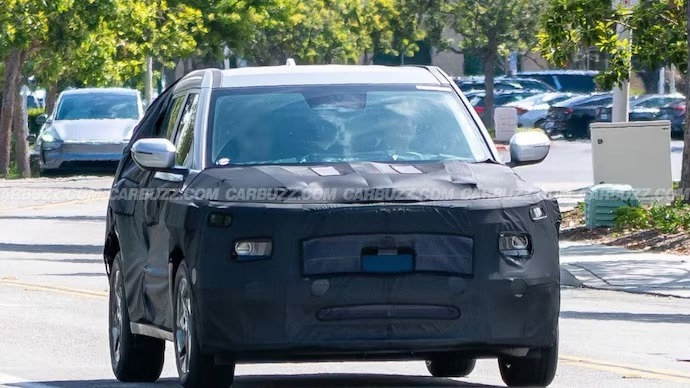
The next-generation Creta is expected to make its India debut before the new i10. While Hyundai has not announced an exact launch date, industry reports point towards a 2027 introduction, with the SUV potentially arriving in the second half of the year. Test versions of the upcoming Creta have already been spotted, giving some clues about what Hyundai could be planning.
The new SUV is expected to look noticeably different from the current model. Spy shots indicate a more upright and boxier appearance, which could give the Creta a stronger road presence. Changes are also expected around the lighting elements, bumpers, alloy wheels and other exterior details.
Hyundai could also make the new model slightly larger. A longer body and wheelbase would give the SUV additional cabin space while helping it compete against a growing list of newer midsize SUVs.
This segment is becoming much more crowded than it was when the current Creta generation arrived. Buyers now have several alternatives offering modern designs, large screens, connected features and multiple engine choices. The new Creta therefore has plenty of pressure to deliver something more than a simple design update.
Hybrid Power Could Change Creta
One of the most interesting possibilities for the next Creta is a strong-hybrid powertrain. Hyundai has been exploring a wider hybrid strategy for India, and the upcoming SUV could become one of the company’s important models for this technology.
Reports suggest the hybrid setup could be based around a 1.5-litre naturally aspirated petrol engine. However, Hyundai has not officially disclosed complete specifications, so the final power output, battery capacity and transmission details remain unknown.
A hybrid version would give customers another option between conventional petrol or diesel vehicles and fully electric SUVs. That could be particularly useful for buyers who want improved fuel efficiency but are not ready to depend completely on charging infrastructure.
The timing is also interesting because rivals are moving towards hybrid technology. Kia has confirmed plans for a hybrid version of the Seltos in India by 2027, and a hybrid Creta could therefore become an important response in the midsize SUV category.
Familiar Engines May Continue
Despite the possibility of a hybrid variant, Hyundai is expected to retain some of its existing engine options for the next Creta. Reports indicate that the current 1.5-litre naturally aspirated petrol, 1.5-litre turbo-petrol and 1.5-litre diesel engines could continue in some form.
The existing engines produce different power outputs and are offered with different gearbox combinations. Hyundai has not yet confirmed whether these specifications will remain unchanged in the new generation.
Keeping familiar powertrains would make sense from a manufacturing and customer perspective. At the same time, the company could introduce mechanical changes to improve efficiency and meet future emission requirements.
The final engine lineup should become clearer closer to the launch. Until then, buyers should treat the reported specifications as expected rather than officially confirmed information.
Bigger Technology Upgrade Inside
The cabin is expected to receive a substantial makeover. The next Creta could feature a completely redesigned dashboard, new screens and an updated infotainment experience. Hyundai’s newer Pleos Connect system is also expected to play a role in the technology package.
A larger or redesigned screen arrangement could give the cabin a more premium appearance. Reports have also pointed towards a curved display setup and a wider selection of connected features.
Other equipment could include upgraded safety technology, improved driver assistance functions and more convenience features. Hyundai has traditionally competed strongly on features, so the next generation is unlikely to take a backward step in this area.
The interior could also receive new seating and upholstery designs. Some reports have mentioned features such as a boss-mode function for the front passenger seat, although Hyundai has not officially confirmed the complete equipment list.
New i10 To Follow Later
The second major launch will be the next-generation i10. Details about the hatchback are still limited, but the new model is expected to receive a complete redesign rather than simply another facelift.
The current Grand i10 Nios has been on sale in India since 2019, so a new generation would arrive after a considerable product cycle. Reports suggest the next i10 could reach Indian showrooms towards the end of 2027.
Hyundai is expected to revise both the exterior and interior. A newer platform is also possible, although the company has not released technical details yet.
The hatchback will need to balance modern equipment with affordability. That is particularly important because buyers in this segment are highly sensitive to price, running costs and practicality.
Petrol And CNG Could Stay
The next i10 is expected to continue with a 1.2-litre naturally aspirated petrol engine, while a CNG option could also remain part of the lineup. The existing model’s petrol engine produces around 83hp, while its CNG version produces around 69hp.
Manual and AMT gearbox options are also expected to continue. This would allow Hyundai to maintain a familiar ownership proposition while adding newer styling, features and safety equipment.
CNG could be especially important for the next i10 because running costs remain a major consideration for small-car customers. Keeping this option would help Hyundai compete with other affordable hatchbacks that focus heavily on fuel economy.
Still, the final specifications may change before launch. Hyundai has not yet provided an official engine or transmission sheet for the new model.
Why These Launches Matter
The Creta and i10 represent two different sides of Hyundai’s Indian business. The Creta operates in a segment where customers increasingly demand premium features, strong road presence and multiple powertrain choices. The i10 serves buyers who often prioritise affordability, efficiency and easy city driving.
Launching new generations of both models gives Hyundai an opportunity to refresh its presence across these segments.
The company has also announced an ambitious India product plan, with 26 launches or new products planned by 2030. That makes the upcoming Creta and i10 part of a much larger strategy rather than isolated model updates.
Hyundai is also preparing additional products for India, including a new compact electric SUV. This suggests the company wants to cover petrol, hybrid and electric technologies rather than relying on a single powertrain direction.
Competition Will Be Tough
The new Creta will enter an increasingly competitive midsize SUV market. New and upcoming models from Tata, Renault, Nissan, Kia and other manufacturers are raising expectations in terms of size, design and technology.
The SUV is therefore likely to face pressure from products such as the Tata Sierra, upcoming Renault Duster and newer-generation Kia Seltos.
For Hyundai, pricing will be just as important as equipment. A more advanced hybrid system and additional technology could increase costs, but customers will still expect the Creta to remain competitive.
The i10 faces a different challenge. It must remain affordable while meeting stricter safety and emission expectations. Hyundai will need to find the right balance between new features and an accessible price.
What Buyers Should Watch
For buyers considering a Hyundai in the coming year, the 2027 launches could be worth waiting for, especially if they are interested in a midsize SUV or compact hatchback.
The new Creta appears likely to offer the bigger transformation, with a redesigned body, upgraded cabin and potentially a strong-hybrid powertrain. The i10, meanwhile, could focus on modern styling, improved technology and efficient petrol and CNG options.
Exact prices, launch dates, specifications and variant details are still unavailable. Therefore, current estimates should not be treated as final figures.
Final Verdict
Hyundai’s upcoming Creta and i10 could become two of its most important launches in India during 2027. The Creta has the potential to stand out with a larger design, modern cabin and possibly a strong-hybrid option, while the new i10 is expected to bring a fresh approach to Hyundai’s small-car lineup. With competition getting tougher across both segments, Hyundai will need competitive pricing, useful technology and efficient powertrains to make these models successful. Buyers should keep an eye on official announcements as the launch timelines get closer and more specifications are revealed.
Read More :-