The Supreme Court Bar Association has sought the urgent intervention of Chief Justice of India Surya Kant following reports of the detention of advocates during a protest near the Supreme Court premises. In a resolution and accompanying communication, the association condemned what it described as the use of excessive force against senior and young lawyers, including women advocates, who were participating in a peaceful demonstration. The development has raised broader questions about the safety of members of the legal profession and their access to legal assistance while in custody.
The Sequence of Events on October 10
On Saturday, several advocates were detained by Delhi Police and other forces in the area surrounding the Supreme Court. Reports indicated that the detentions occurred amid heightened security arrangements in the capital ahead of a demonstration organised by the Cockroach Janta Party at Jantar Mantar. The protest called for the resignation of Chief Election Commissioner Gyanesh Kumar in connection with allegations of irregularities in electoral rolls, the Special Intensive Revision process and issues related to Form 6 used for voter registration.
Advocates, including those marching from the Supreme Court complex towards the protest venue and some present in their chambers, were among those taken into custody. Estimates placed the number of detained lawyers at around fifty to sixty. The association was informed that senior advocates as well as younger practitioners, and notably women lawyers, were affected. Some detainees were reportedly taken to locations such as the Yamuna Sports Complex.
The Supreme Court Bar Association responded promptly. Its honorary secretary, Pragya Baghel, communicated the association’s resolution to the Chief Justice. The resolution expressed grave concern over the reported actions and formally requested urgent high-level intervention.
Core Demands of the Supreme Court Bar Association
The resolution is clear in its requests. It asks the Chief Justice to take up the matter with the concerned authorities so that the whereabouts and safety of every detained advocate can be ascertained without delay. It further seeks an assurance that the lawyers will be given access to legal assistance. The association has called for the immediate release of those against whom there are no lawful grounds for continued detention.
In addition, the Supreme Court Bar Association has requested that the circumstances surrounding the detentions and the reported use of force be examined thoroughly. It has urged that appropriate action be taken strictly in accordance with the law. A copy of the resolution was placed before the Chief Justice for urgent consideration.
The association has emphasised that lawyers do not forfeit their constitutional freedoms when they engage in peaceful expression related to democratic institutions. Any restriction on peaceful assembly, it has noted, must rest on a clear legal basis and remain necessary, proportionate and respectful of human dignity.
Statements from Bar Leadership
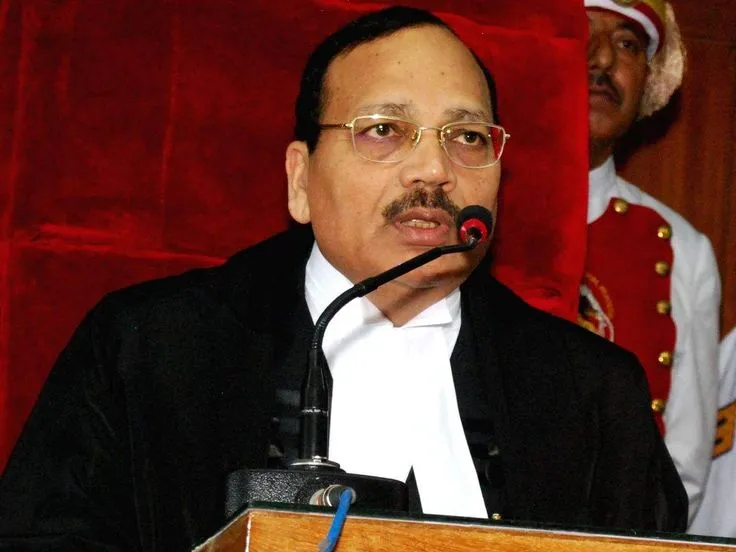
Supreme Court Bar Association president Pradeep Rai separately described the reported detention of advocates from their chambers as deeply disturbing. He stated that the matter was being brought urgently to the attention of the Chief Justice and demanded the immediate release of the lawyers. Arbitrary detention and intimidation of advocates, he said, would not be tolerated.
Other professional bodies representing advocates practising in the Supreme Court have also raised similar concerns. These include representations seeking disclosure of the whereabouts of detainees, protection of their safety, access for lawyers and family members, and the release of individuals where detention lacked lawful justification. The collective response from the bar underscores the seriousness with which the legal community views any action that appears to target its members during the exercise of the right to peaceful protest.
Intervention by the Chief Justice
Following the communications from the Supreme Court Bar Association and related bodies, and after discussions that also involved the Solicitor General, the Chief Justice intervened. Authorities were directed to release the detained lawyers. This step has been confirmed by representatives of the bar associations involved in the representations.
The intervention highlights the institutional role of the Chief Justice in addressing situations that affect the functioning and safety of the legal profession. It also reflects the expectation that any use of force or detention involving advocates must withstand close scrutiny for legality, necessity and proportionality.
Broader Implications for the Legal Profession
The episode has brought into focus the relationship between law enforcement measures taken in the context of public protests and the rights of advocates. Members of the bar frequently participate in or monitor demonstrations that raise questions of constitutional and democratic significance. When such participation leads to detention under circumstances that the professional associations consider excessive or poorly justified, it generates concern about both individual safety and the institutional independence of the legal community.
Access to legal assistance while in custody is a fundamental safeguard. The Supreme Court Bar Association’s insistence on this point underscores that detained advocates, like any other citizen, retain the right to counsel. Ensuring that this right is respected promptly is essential to maintaining confidence in the fairness of the process.
The call for an examination of the circumstances of the detentions and the reported use of force is equally significant. Transparent inquiry and accountability, where warranted, serve to reinforce the principle that state action must remain within the bounds of law even during periods of heightened security.
The Context of Heightened Security
The detentions took place against the backdrop of extensive security arrangements intended to manage the planned protest at Jantar Mantar. Large-scale deployments and restrictions on movement were in place across parts of Delhi. While authorities have a responsibility to maintain public order, the bar associations have stressed that measures affecting advocates who were engaged in peaceful activity require particular care.
The distinction between maintaining order and restricting legitimate expression remains a recurring theme in democratic discourse. Professional bodies representing lawyers have a recognised interest in ensuring that this balance is observed, particularly when members of their own community are directly affected.
Looking Ahead
The resolution of the Supreme Court Bar Association and the subsequent intervention by the Chief Justice have brought immediate attention to the situation of the detained advocates. The association’s request that the broader circumstances be examined remains on the record. How the authorities respond to the demand for a review of the use of force and the grounds for detention will be watched closely by the legal community.
The episode serves as a reminder of the dual responsibilities that exist in such situations: the duty of the state to ensure public order, and the duty to respect the rights of citizens, including members of the legal profession, who choose to express their views peacefully. The Supreme Court Bar Association’s appeal to the Chief Justice places these responsibilities in clear institutional terms and seeks practical steps to protect the safety, liberty and legal rights of the advocates concerned.
By placing the resolution before the highest judicial authority and seeking prompt action on location, safety, legal access and release where appropriate, the association has acted in accordance with its role as the representative body of lawyers practising in the Supreme Court. The developments of the day illustrate both the tensions that can arise during periods of protest and the mechanisms available within the legal system to address concerns when advocates themselves become the subject of detention.
Read more – PeopleStoryHub.com