A protest related to education concerns and alleged irregularities surrounding the NEET-UG 2026 examination process in Delhi recently attracted widespread public attention after clashes broke out between protesting students and police personnel. The situation escalated when authorities used crowd-control measures, including lathi charge and teargas, leading to criticism from several sections of society.
Filmmaker Anurag Kashyap reacted strongly to the police response and questioned the actions taken against students who were demanding answers over issues affecting their education and future. His comments sparked discussions about the balance between maintaining law and order and respecting the rights of citizens participating in peaceful demonstrations.
The incident once again highlighted broader debates around student protests, examination systems, government accountability, and the role of authorities in handling public demonstrations.
Background of the Student Protest
The protest emerged amid concerns related to alleged irregularities in the NEET-UG 2026 examination process. Students and supporters raised questions about examination transparency, fairness, and the impact of such issues on the future of medical aspirants.
Competitive examinations play a major role in shaping the careers of millions of students. Any concerns related to paper leaks, unfair practices, or administrative failures can create anxiety among candidates who spend years preparing for these exams.
The protesting students demanded action, clarification, and accountability from authorities responsible for conducting and managing the examination process.
Escalation of the Situation in Delhi
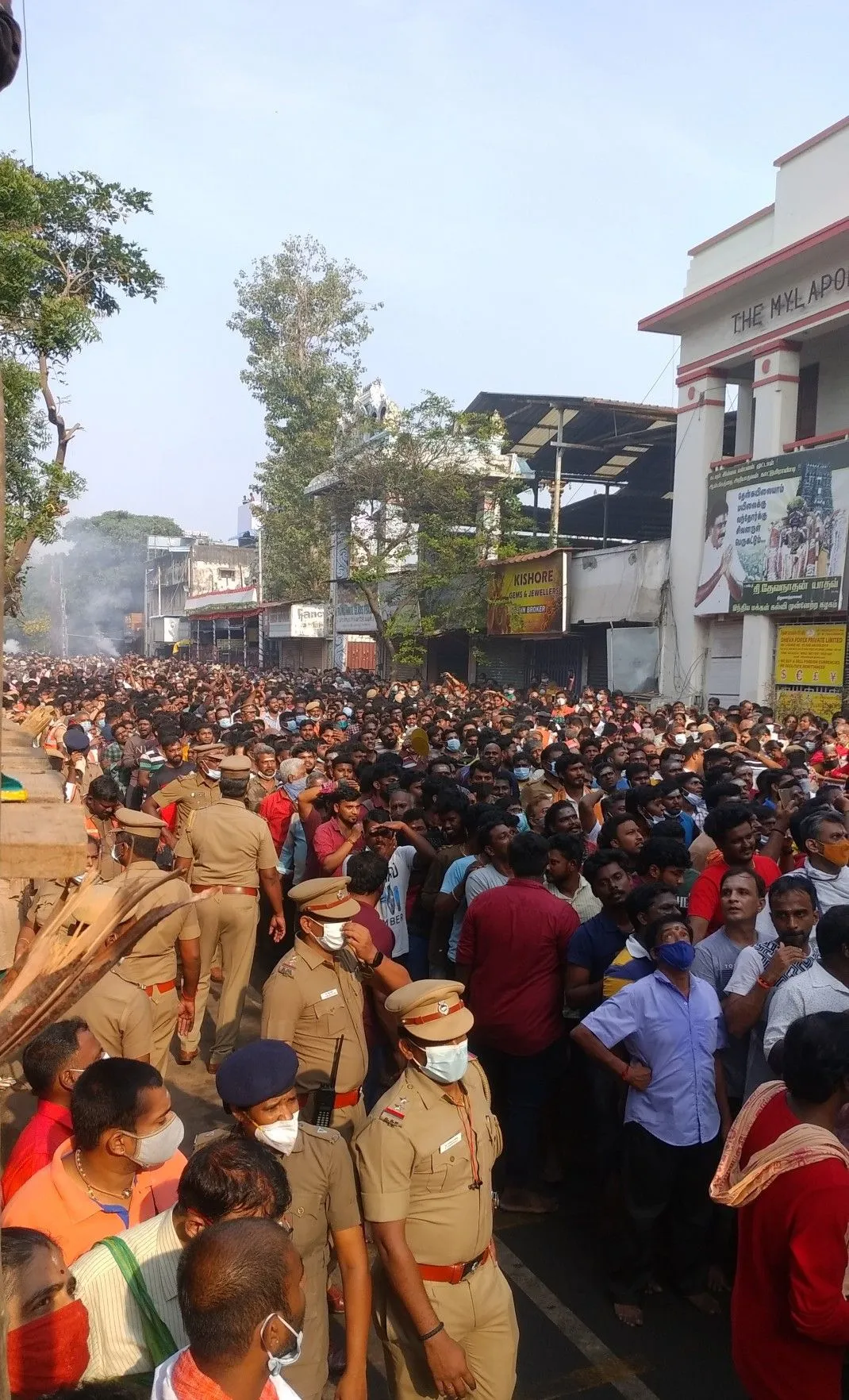
The protest, which began as a demonstration by students and supporters, later turned tense. Reports of clashes between protesters and police led to the use of crowd-control measures.
Police forces are responsible for maintaining public order during demonstrations, especially when large crowds gather in public areas. However, the use of force during student protests often becomes a sensitive issue because many people believe young demonstrators should be handled through communication and dialogue.
The incident involving lathi charge and teargas triggered criticism from several individuals and organizations who questioned whether the response was appropriate.
Anurag Kashyap’s Reaction to the Police Action
Filmmaker Anurag Kashyap expressed his concerns regarding the police response to the student protest. Reacting to the incident, he questioned the moral responsibility of those involved in taking action against students.
His statement, including the phrase questioning whether officials had “sold their soul,” reflected his criticism of what he viewed as excessive force against young protesters.
Kashyap has previously spoken about social and political issues, often using his public platform to comment on matters involving freedom of expression, public concerns, and accountability.
His remarks added further attention to the debate surrounding the handling of student demonstrations.
Debate Over Student Rights and Public Order
The incident has raised important questions about balancing student rights with the responsibility of authorities to maintain public safety.
In democratic societies, citizens have the right to express concerns and demand accountability through peaceful protests. Student movements have historically played an important role in bringing attention to social and educational issues.
At the same time, authorities must ensure that demonstrations do not lead to violence, damage to public property, or disruption of essential services.
The challenge for law enforcement is finding a balance between maintaining order and respecting the right to peaceful expression.
Concerns About Examination Transparency
The controversy surrounding the NEET-UG examination process reflects wider concerns about trust in competitive examinations.
Millions of students across the country depend on entrance examinations for admission to professional courses. These exams represent years of preparation, financial investment, and personal effort.
Any allegations of unfair practices can create uncertainty among students and their families.
Educational authorities are expected to maintain strict security measures, transparency, and effective communication to protect the credibility of examination systems.
Impact on Students and Aspirants
Students preparing for competitive examinations often experience significant pressure due to high competition and limited opportunities.
Issues related to examination irregularities can increase stress and uncertainty among candidates. Many students believe that a fair examination system is essential because their future depends on equal opportunities.
Protests often become a way for students to express frustration when they feel their concerns are not being adequately addressed.
The Delhi incident brought attention to the emotional and professional challenges faced by students during such situations.
Public Reaction to the Incident
The police action received mixed reactions from the public.
Some people supported the authorities’ responsibility to control situations where protests become disruptive or violent. They argued that maintaining law and order is necessary for public safety.
Others criticized the use of force and questioned whether dialogue and peaceful resolution could have been attempted before using strict measures.
The incident led to discussions across social media and public platforms about student rights, government responsibility, and police conduct.
Role of Public Figures in Social Issues
Public figures, including actors, filmmakers, and other personalities, often influence discussions on social issues because of their large audiences.
When public figures comment on matters involving education, governance, or public rights, their statements can increase awareness and encourage broader conversations.
However, public discussions around sensitive issues also require careful consideration of facts and different perspectives.
The involvement of personalities like Anurag Kashyap demonstrates how cultural figures can contribute to debates beyond their professional fields.
Importance of Dialogue During Student Protests
Many experts believe communication and dialogue are important tools for resolving conflicts involving students.
Educational concerns often require detailed discussions between students, institutions, and authorities.
A transparent approach can help reduce misunderstandings and build trust among stakeholders.
While authorities have the responsibility to maintain security, peaceful communication can help prevent situations from escalating.
Challenges in Managing Large Demonstrations
Handling large public gatherings is a complex responsibility for law enforcement agencies.
Authorities must consider multiple factors, including crowd size, public safety, location restrictions, and potential risks.
At the same time, excessive force can create criticism and reduce public confidence.
Finding effective methods for managing protests requires training, communication strategies, and respect for democratic principles.
The Larger Discussion Around Accountability
The controversy has brought attention to the importance of accountability in public institutions.
Students and citizens often expect authorities to provide clear explanations when concerns arise.
Trust in institutions depends on transparency, fairness, and responsible decision-making.
Whether related to examinations, public services, or governance, accountability remains a key factor in maintaining public confidence.
Frequently Asked Questions (FAQs)
Why were students protesting in Delhi?
The protest was linked to concerns regarding alleged irregularities and transparency issues related to the NEET-UG 2026 examination process.
What criticism did Anurag Kashyap make?
Anurag Kashyap criticized the police response and questioned the use of force against protesting students.
Why are student protests important?
Student protests allow young people to raise concerns about education, policies, and issues affecting their future.
Conclusion
The Delhi student protest and the reaction from Anurag Kashyap have started a wider conversation about education transparency, student rights, and the role of authorities during demonstrations.
While maintaining public order is an important responsibility of law enforcement, the handling of student protests requires sensitivity, communication, and respect for democratic values.
The concerns raised by students highlight the importance of creating trustworthy examination systems and ensuring that young people feel heard. As discussions continue, the incident serves as a reminder that dialogue and accountability are essential for addressing public concerns effectively.