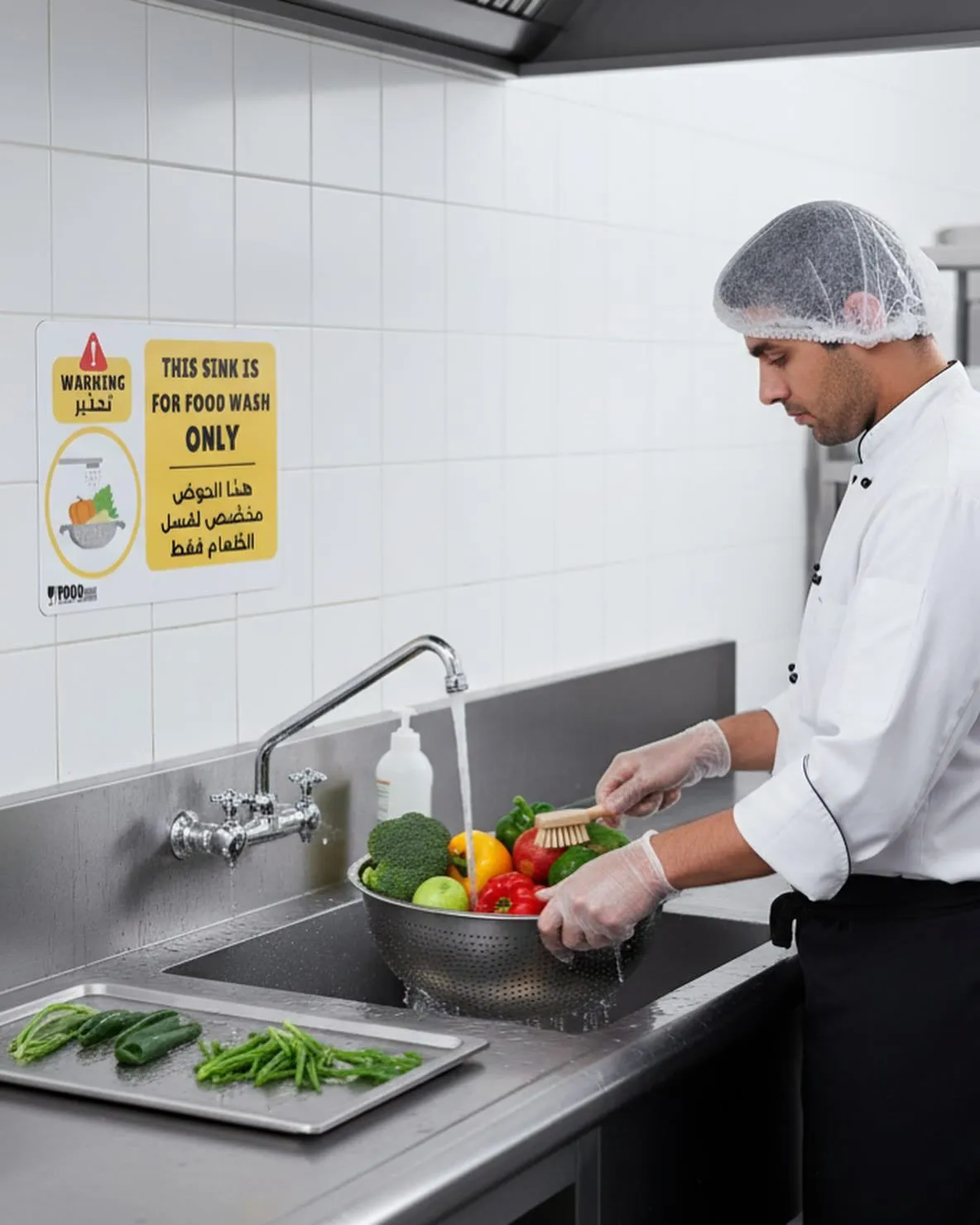
Food is an important part of everyday life, providing the nutrients and energy needed to maintain good health. However, the safety of food is just as important as its taste and nutritional value. Unsafe food handling practices can lead to food contamination, spoilage, and foodborne illnesses that may affect individuals and families.
Maintaining proper food safety habits in the kitchen helps prevent harmful bacteria, viruses, parasites, and chemical contaminants from entering meals. Whether cooking at home or preparing food professionally, following basic safety practices ensures that food remains fresh, hygienic, and safe to consume.
This complete guide explains essential food safety practices that every kitchen should follow, from proper food storage and preparation methods to maintaining cleanliness and preventing contamination.
Understanding Food Safety in the Kitchen
Food safety refers to the practices and procedures used to protect food from contamination and ensure it is safe for consumption. Contamination can occur at different stages, including purchasing, storing, preparing, cooking, and serving food.
The main causes of food safety problems include harmful microorganisms, improper temperature control, poor hygiene, and cross-contamination.
A clean and organized kitchen plays a major role in reducing health risks. Simple habits such as washing hands, cleaning surfaces, storing food correctly, and cooking meals properly can significantly improve food safety.
Importance of Maintaining Food Safety Practices
Following food safety practices protects people from foodborne illnesses and helps maintain overall health. Contaminated food can cause symptoms such as stomach pain, nausea, vomiting, diarrhea, and fever.
Certain groups, including young children, older adults, pregnant women, and people with weakened immune systems, may face higher risks from unsafe food.
Food safety is not only about preventing illness but also about reducing food waste. Proper storage methods help extend the freshness of food items and prevent unnecessary spoilage.
A safe kitchen environment creates confidence that the food prepared at home is healthy and suitable for consumption.
Practice 1: Wash Hands Properly Before Handling Food
One of the simplest and most effective food safety steps is maintaining proper hand hygiene. Hands can carry bacteria and other harmful microorganisms that may transfer to food during preparation.
Hands should be washed thoroughly with clean water and soap before cooking, after handling raw meat or seafood, after using the restroom, and after touching garbage or unclean surfaces.
Proper handwashing involves cleaning all areas, including palms, fingers, fingertips, and areas around nails.
This simple practice helps prevent the spread of harmful germs and keeps food preparation safer.
Practice 2: Keep Kitchen Surfaces Clean
Kitchen cleanliness plays a major role in preventing food contamination. Countertops, cutting boards, knives, utensils, and cooking equipment should be cleaned regularly.
Food particles left on surfaces can become a breeding environment for bacteria. Using clean utensils and washing surfaces before and after food preparation reduces the chances of contamination.
Separate cleaning materials should be used for kitchen areas to avoid spreading germs.
Regular cleaning routines help maintain a healthier cooking environment.
Practice 3: Prevent Cross-Contamination
Cross-contamination occurs when harmful microorganisms transfer from one food item or surface to another.
Raw foods, especially meat, poultry, seafood, and eggs, can contain bacteria that may spread to ready-to-eat foods.
To prevent cross-contamination, raw and cooked foods should be handled separately. Different cutting boards and utensils can be used for raw ingredients and prepared foods.
Hands, knives, and surfaces that come into contact with raw foods should always be cleaned properly before being used again.
Preventing cross-contamination is one of the most important steps in maintaining food safety.
Practice 4: Store Food at the Right Temperature
Proper food storage helps slow the growth of harmful bacteria and keeps food fresh for longer periods.
Perishable foods such as dairy products, cooked meals, meat, and seafood should be stored in refrigerators or freezers at appropriate temperatures.
Leaving food at room temperature for extended periods can increase the risk of bacterial growth.
Food containers should be properly covered to protect them from contamination and maintain freshness.
Organizing refrigerators properly also helps prevent food spoilage and allows better management of stored items.
Practice 5: Cook Food Thoroughly
Cooking food at the correct temperature is essential for destroying harmful microorganisms.
Certain foods, especially meat, poultry, seafood, and eggs, require proper cooking to ensure safety.
Undercooked food may contain bacteria that can cause illness. Using a food thermometer can help check whether food has reached a safe internal temperature.
Cooking methods should be chosen carefully to ensure that food is evenly cooked.
Proper cooking not only improves safety but also enhances the flavor and quality of meals.
Practice 6: Handle Raw Food Carefully
Raw food requires special attention because it may contain harmful bacteria.
Raw meat, seafood, and poultry should be stored separately from other foods and kept in sealed containers to prevent leakage.
Hands and surfaces should be cleaned immediately after handling raw ingredients.
Raw foods should never come into contact with cooked foods because this can transfer harmful microorganisms.
Careful handling of raw ingredients reduces the chances of food contamination.
Practice 7: Check Food Quality Before Use
Before preparing any meal, it is important to check the quality and freshness of ingredients.
Expired products, damaged packaging, unusual smells, mold, or changes in texture may indicate that food is unsafe.
Fresh fruits, vegetables, dairy products, and packaged foods should be inspected before purchase and use.
Following expiry dates and storage instructions helps maintain food quality and safety.
Practice 8: Wash Fruits and Vegetables Properly
Fruits and vegetables can carry dirt, pesticides, and microorganisms from farming, transportation, and handling.
Washing fresh produce under clean running water helps remove unwanted substances from the surface.
Vegetables and fruits should be cleaned before cutting or eating, especially when consumed raw.
Proper washing practices improve hygiene and reduce the risk of consuming contaminated food.
Practice 9: Maintain Personal Hygiene While Cooking
Personal hygiene is an important part of food safety. Clean clothing, trimmed nails, and avoiding cooking when experiencing certain illnesses help reduce contamination risks.
Covering wounds, tying back hair, and avoiding unnecessary touching of food also improve kitchen hygiene.
A responsible food handler plays a key role in maintaining safe meals.
Practice 10: Avoid Food Waste Through Smart Storage
Proper storage practices help maintain food quality and reduce unnecessary waste.
Using airtight containers, labeling stored food, and following the “first in, first out” method can help manage kitchen supplies effectively.
Leftover food should be stored properly and consumed within a safe period.
Smart storage not only saves money but also supports better food management.
Common Food Safety Mistakes to Avoid
Many food safety problems occur because of small mistakes in daily kitchen routines.
Common mistakes include leaving cooked food outside for too long, using the same cutting board for raw and cooked foods, ignoring expiry dates, and failing to clean kitchen tools properly.
Another common mistake is assuming that food looks or smells normal, so it must be safe. Some harmful microorganisms cannot be detected through appearance or smell.
Awareness and careful habits are necessary to prevent these problems.
Role of Food Safety in Healthy Cooking
Healthy cooking is not only about choosing nutritious ingredients. It also involves preparing and storing food safely.
Even high-quality ingredients can become unsafe if handled incorrectly.
Combining balanced nutrition with proper food safety practices creates healthier meals and protects families from preventable health risks.
A safe kitchen encourages better eating habits and supports long-term well-being.
Conclusion
Food safety practices are essential for every kitchen because they protect health, prevent contamination, and improve the quality of meals. Simple habits such as washing hands, cleaning surfaces, storing food correctly, preventing cross-contamination, and cooking food properly can make a significant difference.
A safe kitchen does not require complicated equipment or expensive solutions. It requires awareness, consistency, and responsible food handling habits.
By following essential food safety practices, individuals can create a healthier cooking environment and ensure that every meal prepared at home is safe, fresh, and beneficial for overall health.