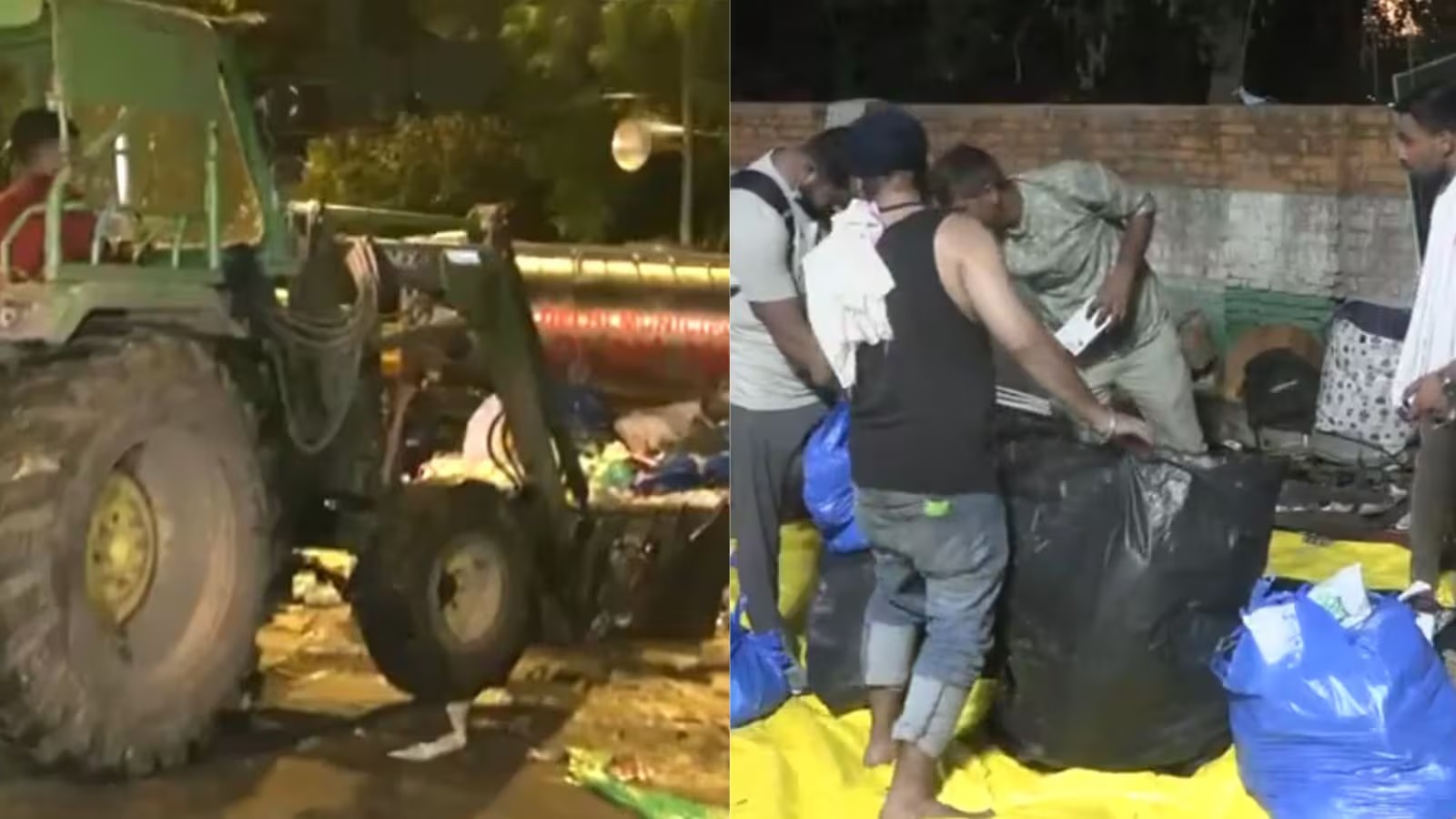
A Massive Cleanup Starts After Demonstrations
Jantar Mantar has witnessed countless protests over the years, but this time the focus has shifted from slogans to sanitation. Authorities have now started an extensive cleanup operation after nearly 60 metric tonnes of waste accumulated around the protest venue. The New Delhi Municipal Council (NDMC) moved quickly once the gathering ended, aiming to restore one of Delhi’s most recognized public spaces before normal activity resumed. The amount of garbage surprised many people because it reflected not only the scale of the demonstrations but also the pressure such events place on civic infrastructure.
Officials explained that sanitation teams were deployed almost immediately. Trucks, loaders, and cleaning staff worked in different sections at the same time. Their goal was simple, although certainly not easy. Remove every visible sign of waste while making the area safe again for visitors, pedestrians, and nearby businesses.
Why The Waste Reached Sixty Metric Tonnes
Large public protests naturally generate waste, especially when thousands of people remain at one location for extended periods. Plastic bottles, disposable food containers, banners, paper cups, packaging materials, and temporary shelters often become part of the cleanup challenge. During this protest, continuous movement of people added to the growing pile of garbage every passing day.
Municipal officials reportedly estimated the total waste at nearly sixty metric tonnes. That number immediately caught public attention because it highlighted the enormous logistical effort required after major demonstrations. Waste collection was not limited to one road or one corner. Cleaning crews reportedly covered sidewalks, nearby public spaces, temporary camps, and surrounding streets.
Managing such waste requires proper coordination rather than simple sweeping. Separate teams often collect recyclable materials while another group removes mixed garbage before transportation to designated processing facilities.
NDMC Launches A Fast Restoration Mission
The NDMC treated the cleanup as a priority assignment. Officials understood that Jantar Mantar is not merely another public location. It serves as an important civic landmark where demonstrations, visitors, and tourists regularly arrive throughout the year.
Cleaning teams reportedly worked in shifts to speed up restoration. Mechanical sweepers assisted manual workers in removing scattered waste from roads and pathways. Water tankers were also used in some sections to wash surfaces after garbage removal. This combination of machinery and human effort helped improve efficiency during the operation.
Restoration also meant checking public facilities. Dustbins needed replacement, damaged barricades required inspection, and public toilets had to be cleaned before regular visitors returned.
Jantar Mantar Carries More Than Historical Importance
People usually recognize Jantar Mantar because of its historical significance and astronomical structures. Yet the location has another identity that continues to shape modern India. It has long served as a designated place where citizens gather to express concerns, demand reforms, and raise public issues peacefully.
Because of this dual importance, authorities often face a balancing act. Democratic expression deserves protection, while public property must remain usable for everyone afterward. Maintaining that balance becomes difficult whenever protests stretch over several days with heavy participation.
The latest cleanup once again reminds everyone that civic spaces require constant maintenance after major public events, regardless of the cause behind those gatherings.
Sanitation Workers Faced A Difficult Assignment
Removing sixty metric tonnes of waste sounds like a number until someone imagines the physical work behind it. Sanitation workers handled countless bags, lifted debris, separated materials, and operated equipment under demanding conditions. Their contribution rarely receives the same public attention that protests themselves attract.
Municipal employees often begin these operations early in the morning before traffic increases. Some continue working late into the evening to finish within limited time. Heavy waste collection vehicles also need careful movement through crowded urban roads.
Their effort becomes even more challenging when weather conditions are unfavorable or garbage has accumulated over several days.
Public Spaces Need Shared Responsibility
While municipal agencies carry out official cleaning responsibilities, public cooperation remains equally important. Every large gathering creates some level of environmental impact. Participants, organizers, volunteers, and local authorities all share responsibility for reducing unnecessary waste generation.
Simple actions make noticeable differences. Using reusable water bottles, proper disposal of food packaging, and placing garbage inside designated bins help reduce cleanup burdens significantly. Event organizers can also arrange temporary waste collection points before demonstrations begin.
Public awareness often matters just as much as municipal resources. A cleaner protest site protects the environment while reducing restoration costs for taxpayers.
Environmental Concerns Go Beyond Visible Garbage
Waste left in open public spaces creates more than an unpleasant appearance. Plastic materials may enter drainage systems, increasing the possibility of waterlogging during rainfall. Food waste can attract stray animals and insects, creating sanitation concerns for nearby residents.
Improper disposal of banners, cloth materials, and mixed garbage complicates recycling efforts. When recyclable items become contaminated with food waste or mud, recovery becomes less effective.
Environmental experts frequently encourage segregation at the source because it reduces landfill pressure and improves recycling rates. Large public gatherings present valuable opportunities to demonstrate better waste management practices.
Local Residents Welcome Restoration Efforts
People living and working around Jantar Mantar often experience direct effects during large demonstrations. Traffic diversions, temporary restrictions, increased pedestrian movement, and accumulated waste all influence daily routines. Once the protests conclude, residents generally expect quick restoration of normal conditions.
Many nearby shop owners also benefit from faster cleanup because cleaner surroundings encourage regular customer visits again. Tourists visiting Delhi’s historic attractions similarly expect well-maintained public areas rather than leftover waste from previous events.
Prompt sanitation therefore supports both public health and local economic activity.
Can Future Protests Produce Less Waste
The latest cleanup has renewed discussion about environmentally responsible demonstrations. Several cities around the world now encourage organizers to adopt sustainable event management practices. Reusable banners, digital communication, refill water stations, and volunteer cleanup groups have shown promising results elsewhere.
Such measures do not reduce the importance of public protests. Instead, they reduce unnecessary environmental damage while allowing democratic participation to continue responsibly.
Technology may also help. Mobile waste monitoring, additional temporary bins, and coordinated collection schedules could improve future cleanup efficiency without disrupting public gatherings.
Lessons For Civic Management
Urban management continues evolving because cities constantly face new challenges. Large gatherings require planning that extends beyond crowd control alone. Waste collection, sanitation, emergency medical access, drinking water, traffic management, and environmental protection all become equally important.
The recent operation demonstrates that municipal agencies must remain prepared for sudden increases in public activity. Quick deployment of workers and equipment can significantly shorten restoration time after major events.
At the same time, citizens also influence outcomes through everyday behavior. Responsible disposal habits reduce pressure on civic services while preserving shared public spaces for future generations.
Conclusion
The cleanup operation at Jantar Mantar shows that public demonstrations do not end when crowds leave. The responsibility continues through restoring the space for everyone who uses it afterward. With nearly sixty metric tonnes of waste requiring removal, the NDMC faced a demanding task that highlighted both the strength of municipal response and the importance of public cooperation. Clean public spaces reflect responsible civic participation just as much as peaceful protests do. As future gatherings take place across the country, combining democratic expression with environmental responsibility can create a better experience for citizens, workers, and visitors alike. Stay informed about important civic developments, follow verified updates, and support responsible public participation that respects both democratic rights and shared public spaces.