A Long Wait Finally Ends
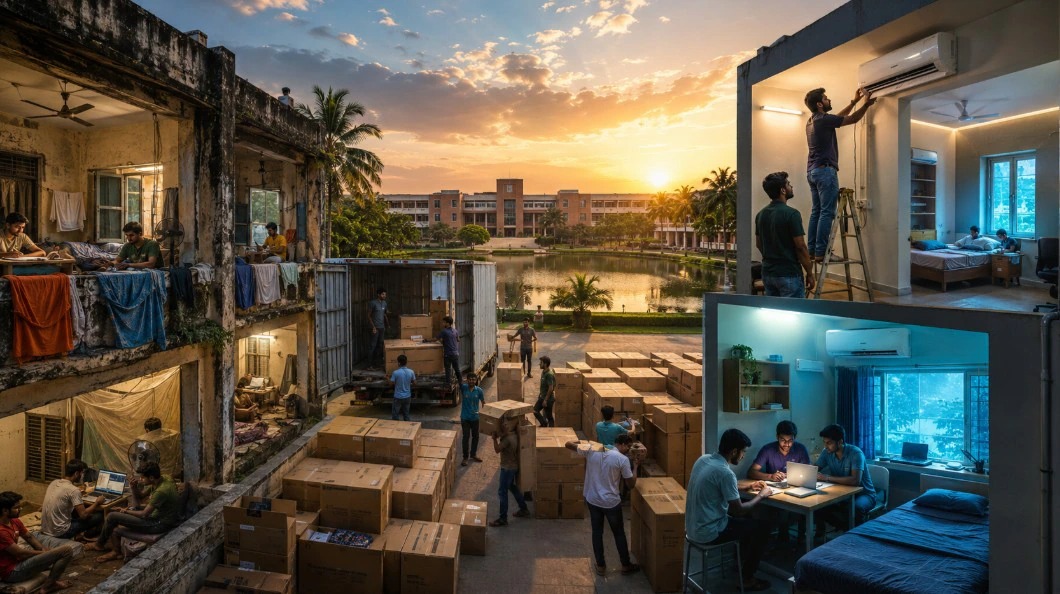
For years, students joining IIM Calcutta accepted one reality without much debate. Hostel rooms were comfortable in many ways, yet air conditioners were missing from everyday campus life. Summers in Kolkata are rarely easy, and the humid weather often makes even simple daily activities feel exhausting. Now, that long-standing situation has changed in a way many people never expected.
The decision to install air conditioners in IIM Calcutta hostels is more than just another infrastructure upgrade. It represents a shift in how educational institutions think about student welfare, modern expectations, and campus facilities. Many students see this as overdue rather than luxurious. The conversation has quickly expanded beyond one institute because other universities are now watching closely.
Why This Decision Matters So Much
People outside academic circles sometimes assume hostel rooms are only places for sleeping. That idea has slowly become outdated over the years. Students spend countless hours preparing presentations, completing assignments, attending online sessions, participating in interviews, and working on internships from their rooms.
A hot and humid environment can reduce concentration significantly during long study sessions. When temperatures remain uncomfortable throughout the day and even late into the night, productivity naturally suffers. Installing air conditioners creates a better atmosphere for learning without changing the academic standards that define IIM Calcutta.
The move also reflects changing expectations from students and parents who increasingly compare campus facilities before making admission decisions.
Changing Climate Cannot Be Ignored
Weather patterns across India have become noticeably harsher during recent summers. Heatwaves arrive earlier, stay longer, and often push temperatures beyond historical averages. Kolkata experiences both intense heat and heavy humidity, making indoor comfort particularly difficult without proper cooling systems.
Educational institutions cannot completely separate themselves from climate realities anymore. Hostel buildings constructed decades ago were designed for different environmental conditions. Modern weather challenges require updated solutions that protect student health while maintaining academic performance.
Many experts have argued that adapting infrastructure to climate change should become part of long-term campus planning rather than remaining an optional improvement.
Student Reactions Have Been Largely Positive
The announcement naturally attracted widespread attention among current students and alumni. Many welcomed the decision with excitement because they had experienced difficult summer months inside hostel rooms. Some alumni even joked that the upgrade arrived a few years too late for their own batches.
Students often describe hostel life as an important part of management education. Friendships, late-night discussions, project meetings, and exam preparation usually happen inside hostel buildings. Better living conditions can improve those everyday experiences without changing the unique culture that defines residential campuses.
Not everyone views the change through the same lens, though. A few people questioned whether the additional expenses would increase hostel fees over time.
Balancing Comfort With Financial Responsibility
Whenever large infrastructure projects begin inside educational institutions, financial questions naturally follow. Installing hundreds of air conditioners involves equipment costs, electrical upgrades, maintenance expenses, and higher electricity consumption. These are practical concerns that administrators cannot ignore.
The challenge lies in balancing student comfort with responsible financial planning. If costs remain manageable through efficient energy systems, the long-term benefits could outweigh the investment. Universities frequently upgrade libraries, laboratories, internet facilities, and sports infrastructure. Modern hostel amenities may simply become another essential category rather than an unnecessary luxury.
Financial transparency will remain important because students deserve clear information regarding any future fee adjustments connected with such developments.
Energy Consumption Brings New Questions
Adding air conditioners across hostel buildings also raises environmental concerns that deserve equal attention. Increased electricity demand could significantly raise overall campus energy consumption if efficient technologies are not used carefully.
Many educational institutions have already started investing in solar power, energy-efficient appliances, and sustainable building designs. Pairing hostel air conditioning with renewable energy projects could reduce environmental impact while maintaining comfortable living conditions.
This decision may encourage universities to think beyond installation alone. Smart energy management, automated temperature controls, and regular maintenance could become equally important parts of future campus planning.
Could Other Campuses Follow Soon
The biggest reason this story attracted national attention is not simply because IIM Calcutta installed air conditioners. The larger question involves what happens next across India’s higher education sector.
Many prestigious institutions operate residential campuses under similar weather conditions. Students studying in different cities face comparable challenges during long summer seasons. Once one respected institute introduces a significant facility upgrade, comparisons naturally begin across campuses.
Administrators elsewhere may now face growing pressure from students, parents, and alumni to reconsider existing hostel infrastructure. Every institution has different financial capabilities, yet expectations often spread much faster than construction projects.
Modern Campuses Need Modern Facilities
Today’s management education extends beyond classroom teaching. Students participate in virtual conferences, online certification programs, international collaborations, and remote internships directly from hostel rooms. Reliable internet, comfortable study spaces, and supportive living environments have become essential parts of academic success.
Comfort should never replace discipline or academic rigor. However, unnecessary physical discomfort should not become an accepted tradition simply because previous generations experienced similar conditions.
Modern educational excellence increasingly includes physical infrastructure alongside teaching quality, faculty strength, research opportunities, and placement performance. Institutions competing globally often evaluate all these elements together rather than separately.
The Debate Goes Beyond Air Conditioners
Interestingly, discussions surrounding this decision reveal something much bigger than cooling technology. They highlight evolving ideas about student well-being inside competitive academic environments.
Mental health conversations have gained greater importance across universities worldwide. Comfortable accommodation alone cannot solve every challenge students face, but it contributes to overall quality of life. Better sleep, improved concentration, and reduced physical stress may positively influence academic performance over extended periods.
The debate therefore extends beyond electricity bills or installation costs. It touches broader questions regarding what students should reasonably expect from world-class educational institutions operating in rapidly changing climatic conditions.
Infrastructure Reflects Institutional Priorities
Every major infrastructure decision sends a message about institutional priorities. New libraries demonstrate commitment to knowledge. Advanced laboratories indicate research ambitions. Improved hostel facilities communicate that student living conditions also deserve attention.
IIM Calcutta’s decision may eventually be remembered less for the air conditioners themselves and more for changing conversations across Indian campuses. Sometimes one policy quietly influences dozens of similar decisions elsewhere over the following years.
Educational institutions evolve continuously because student expectations, technological possibilities, and environmental realities keep changing together. Ignoring those changes rarely serves anyone well in the long run.
Conclusion
The arrival of air conditioners in IIM Calcutta hostels marks more than a simple facilities upgrade. It reflects changing educational priorities, growing awareness of climate challenges, and increasing attention toward student well-being. While questions regarding energy use, maintenance, and financial impact remain important, the broader conversation has already begun across India’s higher education landscape. Other campuses may now evaluate their own infrastructure through a different perspective. As universities continue modernizing, balancing comfort, sustainability, and affordability will remain essential. Thoughtful decisions today could shape a healthier and more productive campus experience for generations of students ahead.
Read More :-