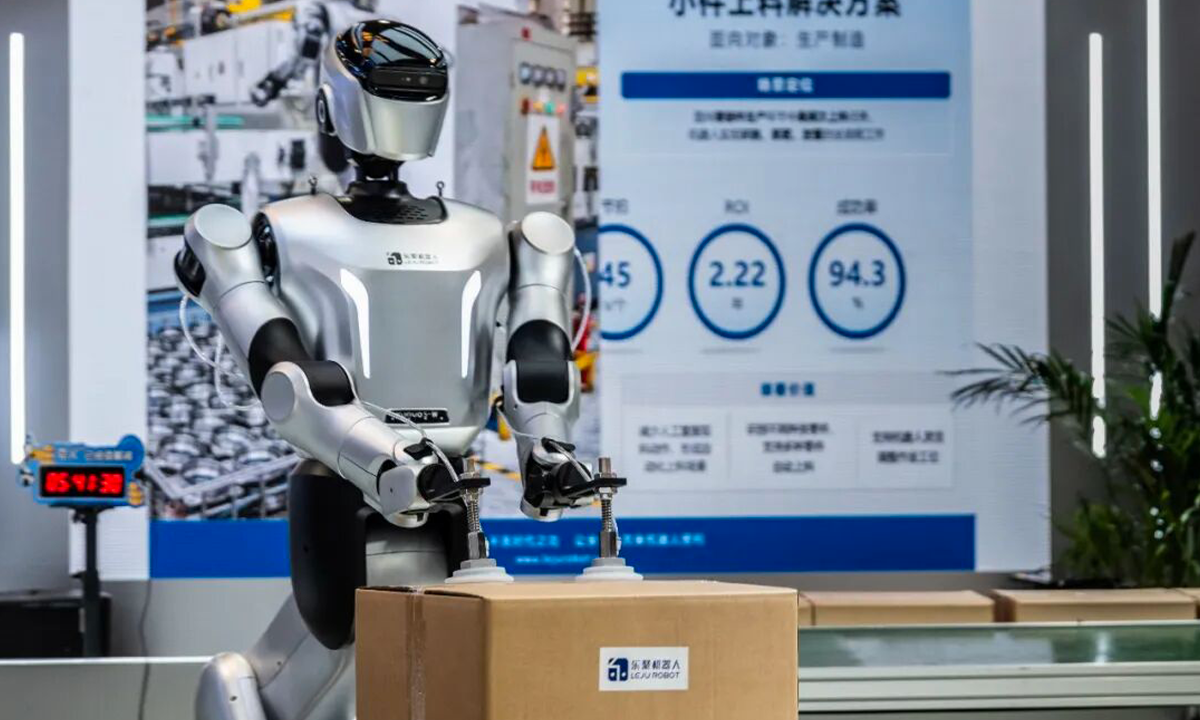
Rising Tension Between Two Global Powers
Relations between China and the United States have entered another difficult phase after fresh discussions surrounding advanced robot technology and possible restrictions. Chinese officials have made it clear that if Washington continues moving ahead with measures targeting robotics, artificial intelligence, and related industries, Beijing will not remain silent. Instead, China says it is ready to introduce firm and carefully planned countermeasures that protect its economic and technological interests.
The latest statements have attracted attention because robotics has become one of the fastest-growing industries across the world. Governments no longer see robots as simple factory machines. They now represent innovation, national security, industrial strength, and future economic leadership.
Why Robot Technology Has Become So Important
Modern robots are doing much more than repetitive factory work today. They assist doctors during surgeries, inspect dangerous industrial sites, manage warehouses, and even support military research in different countries. Artificial intelligence has made these machines smarter, allowing them to perform difficult tasks with greater speed and accuracy.
Because of these developments, governments consider robotics a strategic industry. Whoever leads this sector could gain significant economic and technological advantages over competitors. That explains why every new policy involving robot technology receives global attention almost immediately.
China’s Strong Public Warning
Chinese officials recently stated that the country would take resolute countermeasures if the United States insists on expanding restrictions related to robotics and advanced technology cooperation. Although the exact details of possible responses remain unclear, the message itself was direct enough to signal Beijing’s determination.
Officials argued that unfair trade barriers and technology controls could disrupt global supply chains while hurting companies operating in both countries. China believes international competition should remain fair instead of becoming influenced by political decisions that limit technological progress.
The wording of the statement suggests China wants Washington to reconsider its position before introducing additional restrictions that could increase economic pressure.
The American Perspective Behind Restrictions
The United States has repeatedly expressed concerns about protecting sensitive technologies from potential security risks. American policymakers argue that advanced robotics, artificial intelligence, semiconductor manufacturing, and automation systems may have military as well as commercial applications.
Because of these concerns, Washington has gradually introduced export controls, investment reviews, and technology restrictions involving several high-tech sectors. Supporters believe these policies help safeguard national security while reducing dependence on foreign manufacturing in critical industries.
Critics, however, argue that excessive restrictions may slow innovation and increase costs for businesses operating globally.
Economic Impact Could Extend Beyond Both Countries
Trade disagreements between the world’s two largest economies rarely remain limited to only those nations. Global manufacturers depend on Chinese production facilities while American companies continue supplying software, engineering expertise, and advanced research across international markets.
If additional restrictions appear, electronics manufacturers, industrial automation firms, automotive companies, and technology suppliers could all experience higher production costs. Delays in component deliveries might also affect smaller businesses that rely heavily on international supply chains.
Financial markets generally react cautiously whenever geopolitical tensions involve major technology industries because investors dislike uncertainty.
Robotics Industry Faces Fresh Challenges
The robotics sector has enjoyed impressive growth during the past decade. Companies continue investing billions into research involving industrial robots, autonomous systems, machine learning, and intelligent manufacturing solutions. Many businesses expected international cooperation to accelerate future innovation.
Growing political disagreements could make collaboration more difficult. Joint research projects may become limited. Technology licensing agreements might receive greater government scrutiny. Companies could also reconsider where they manufacture advanced robotic equipment in the future.
These possibilities create uncertainty even for organizations that are not directly involved in government policy discussions.
Businesses Are Watching Every Development Carefully
Large multinational corporations usually prepare contingency plans whenever geopolitical tensions increase. Many technology companies have already diversified manufacturing locations over recent years because supply chain disruptions demonstrated the risks of relying too heavily on one region.
Executives now monitor government announcements closely since new regulations can influence investment decisions worth billions of dollars. Some businesses may increase domestic manufacturing while others search for alternative suppliers across Asia, Europe, or North America.
Business leaders generally prefer stable international trade because predictable regulations support long-term planning and encourage continued investment.
Global Markets Prefer Stability Instead of Conflict
Financial markets respond quickly whenever uncertainty surrounds major economic powers. Investors often become cautious if trade disputes appear likely to expand into additional technology sectors.
A prolonged disagreement involving robotics could influence stock prices for manufacturing companies, semiconductor producers, automation specialists, and logistics providers. Currency markets may also react if investors expect slower international trade growth.
Despite these concerns, many economists still believe negotiation remains the most practical solution because both countries benefit significantly from commercial relationships developed during previous decades.
Could Diplomacy Still Change The Situation
Diplomatic discussions often continue behind closed doors even when public statements appear unusually firm. Governments frequently issue strong warnings before entering negotiations because they want to strengthen their bargaining positions.
There remains room for dialogue if both sides decide that cooperation produces better long-term results than continued confrontation. Technology competition will almost certainly continue, yet competition does not always prevent practical agreements on trade or investment.
History shows that economic disputes sometimes ease after extended negotiations, although predicting exact outcomes remains difficult.
What This Means For The Future
Robot technology will continue shaping manufacturing, healthcare, transportation, defense, and everyday life regardless of current political disagreements. Countries around the world understand that automation represents an essential part of future economic growth.
The latest exchange between China and the United States demonstrates how advanced technology has become deeply connected with international politics. Future government decisions may influence research funding, business partnerships, investment strategies, and global manufacturing for many years ahead.
Companies, investors, and consumers will likely continue monitoring every announcement because even small policy changes can produce widespread economic effects.
Conclusion
The warning from China reflects growing tensions surrounding advanced robot technology and international competition. While both governments continue defending their own strategic interests, businesses across the world hope that practical discussions eventually replace escalating restrictions. Robotics remains one of the most valuable industries for future economic development, making every policy decision increasingly important. Continued cooperation could encourage innovation and strengthen global markets, while prolonged disputes may slow technological progress for everyone involved. Staying informed about these developments helps businesses, investors, and readers understand how global decisions can influence industries far beyond national borders. Follow trusted international news sources for reliable updates and deeper analysis as this important story continues to evolve.
Read also :-