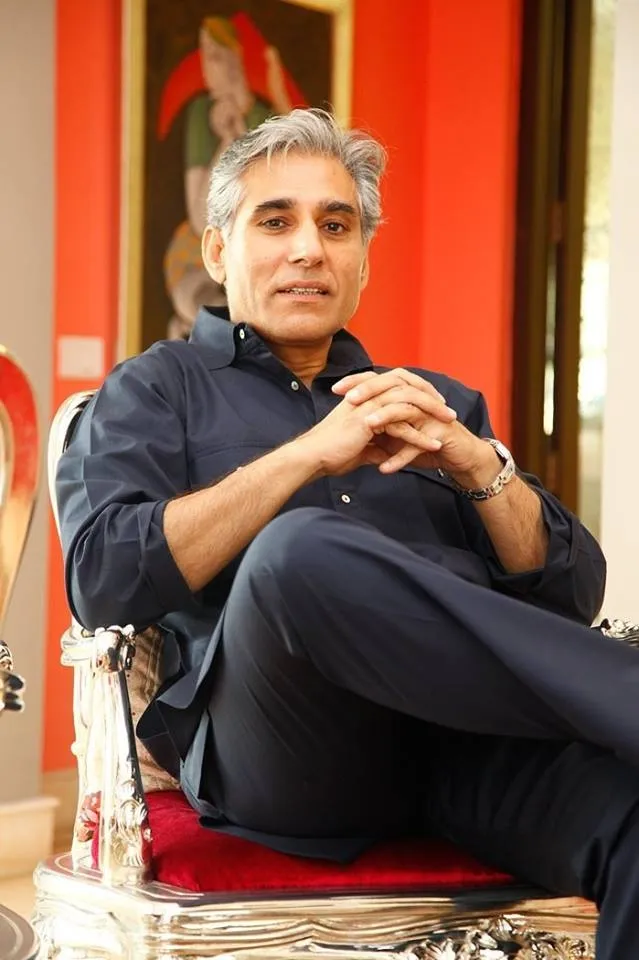
Businessman Navin Ansal has spoken openly about a long and destructive battle with alcohol addiction that nearly destroyed his life and inheritance. In a recent conversation on Aishwarya Vivek’s podcast, he described growing up in an environment where drinking was normalised, the progressive loss of land and property to fund his habit, and the hard-won turning point that led him into sustained recovery. His account offers a candid look at how privilege does not shield anyone from addiction and how recovery remains possible even after severe personal and financial collapse.
A Privileged Upbringing Where Alcohol Was Normal
Ansal recalled that alcohol was never treated as taboo in his family or social circles. Drinking formed a routine part of gatherings and daily life during his formative years. What began as an accepted social practice gradually shifted into dependence. He has described how the early freedom and abundance that came with inherited status made it easier to ignore warning signs. The same environment that provided comfort also delayed recognition of the problem.
As the years progressed, what started as casual consumption tightened its hold. Ansal has spoken of the internal insecurity that often accompanies alcoholism, the constant need to maintain appearances, and the slow erosion of judgment. The gap between public image and private reality widened as the addiction deepened.
Financial Ruin and the Cost of Addiction
One of the most striking elements of Ansal’s account is the material cost of his drinking. He has stated that he sold land and property to sustain the addiction. Inherited assets accumulated over generations were steadily liquidated. In related conversations he has referred to the loss of substantial holdings, including village lands that once formed part of the family’s legacy. By his early thirties the scale of the damage had become undeniable.
Ansal has summarised that period with the blunt assessment that he was “finished at 33.” The phrase captures both the financial depletion and the personal dead end he reached. Legal troubles, including incidents involving the authorities, compounded the crisis. Relationships suffered. Decision-making deteriorated. The businessman who had grown up with significant advantages found himself stripped of many of them by the demands of the addiction.
The Turning Point: “Beaten Into a Remedy”
Ansal has been clear that recovery did not arrive through a gentle realisation. “I didn’t find a remedy; I was beaten into a remedy,” he has said. The statement reflects the harsh reality that for many people the decision to stop comes only after repeated consequences leave no other viable option. By 1991 he reached a point of surrender. He entered rehabilitation and marked the beginning of continuous sobriety around late August of that year.
That date has remained a fixed reference in his later reflections. More than three decades later he continues to speak of sobriety as a daily practice rather than a one-time achievement. He has described the early fears that life without alcohol would be empty or joyless, and the gradual discovery that the opposite proved true. Building a structured life, making amends where possible, and staying connected to recovery principles replaced the chaos of active addiction.
Rebuilding Life and Business
Sobriety did not instantly restore what had been lost, but it created the conditions for reconstruction. Ansal rebuilt personal relationships and eventually established new professional foundations. He has been associated with the design and lifestyle brand Casa Paradox Luxe, representing a second chapter built on clearer judgment and sustained effort. The contrast between the years of decline and the subsequent decades of stability forms the core of the story he now shares.
His public discussions emphasise that privilege can mask addiction for a long time. Access to money and social standing may delay external consequences, yet they do not alter the internal progression of the disease. The eventual losses—financial, relational, and legal—still arrive. Ansal’s willingness to describe those losses without softening them gives weight to his later message of recovery.
Lessons on Addiction and Recovery
Several themes emerge consistently from Ansal’s account. First, normalisation of heavy drinking within a family or social group can delay recognition of dependence. Second, the financial and personal costs can be extreme even for those who begin with substantial resources. Third, genuine recovery often requires reaching a point of defeat rather than intellectual understanding alone. Fourth, long-term sobriety is possible and can support the rebuilding of both private life and professional identity.
Ansal has also distinguished between heavy drinking and alcoholism, noting that the latter involves loss of control and continued use despite clear harm. He has spoken about common rationalisations that keep people stuck and the importance of honest self-assessment. His own path involved formal treatment, ongoing commitment, and the gradual replacement of old patterns with new ones.
A Story of Collapse and Continuity
Navin Ansal’s recollection of selling land and property to fund alcohol addiction, of being finished by the age of 33, and of being forced into recovery rather than choosing it lightly, is a stark personal history. It is also a reminder that addiction crosses class and privilege lines. The same individual who lost significant inherited wealth later demonstrated that sustained sobriety can support a reconstructed life.
By speaking publicly on the podcast, Ansal has added his experience to the wider conversation about substance dependence in India. His emphasis on the normalised drinking culture of his youth, the concrete financial destruction that followed, and the hard-won stability of more than three decades without alcohol offers both caution and hope. The remedy, as he describes it, arrived through necessity. The life that followed was built one deliberate day at a time.
Read more – heraldwhig.com