Major Action Against Diageo Products
Indian food safety authorities have seized around 18,000 boxes of liquor linked to Diageo India during a recent regulatory inspection. The action has put renewed attention on Diageo liquor bottles and the rules surrounding food-safe packaging materials in India.
The seized stock reportedly includes whisky and vodka products from some widely recognized brands. Authorities carried out an inspection at United Spirits’ facility in Bengaluru, where they examined the use and labeling of recycled plastic bottles.
The estimated value of the seized products is around $1.6 million, making this a significant regulatory action for one of India’s biggest beverage alcohol companies. Officials said the concern was connected with mandatory safety markings rather than evidence that the alcohol itself was contaminated.
Why Were The Bottles Seized
The central issue appears to involve recycled polyethylene terephthalate, commonly known as PET plastic. Some bottles reportedly carried markings showing that they were made from PET material, but authorities said the required government symbol indicating food-safe recycled PET was missing.
That distinction matters because recycled plastic used for products connected with food or beverages has to meet specific safety requirements. Regulators also want consumers and enforcement agencies to be able to identify packaging that follows the approved standards.
FSSAI inspectors reportedly visited United Spirits’ Bengaluru facility last week and raised questions about the markings used on the bottles. The inspection eventually resulted in the affected stock being quarantined or seized while authorities consider the next steps.
Which Brands Are Involved
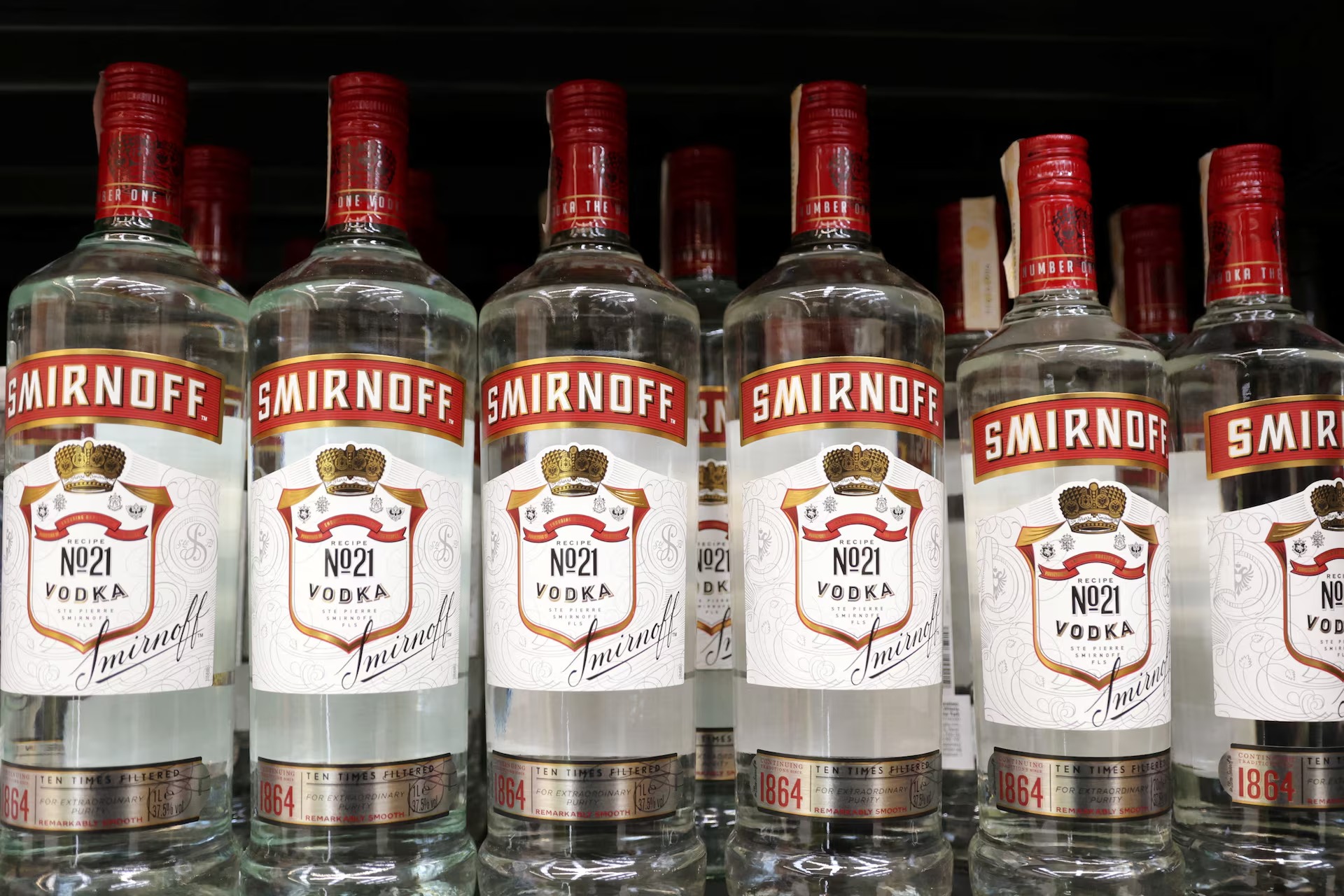
Several familiar names are reportedly included among the affected products. The reported list includes DSP Black Deluxe Whisky, Smirnoff Zesty Lime Vodka and VAT 69, giving the action a wider consumer impact than a single product recall would have created.
These brands occupy different parts of India’s alcohol market, with whisky and vodka products having a large presence across different consumer groups. The seizure therefore highlights how packaging compliance can affect multiple products manufactured or handled through the same company operations.
It is important to understand that the reported seizure does not automatically mean every bottle from these brands is unsafe to drink. The specific regulatory concern described by authorities relates to packaging markings and compliance with the applicable recycled-plastic requirements.
Diageo Responds To Regulators
Diageo India’s United Spirits has acknowledged that some bottles were quarantined by authorities following the inspection. The company has maintained that its products are safe for consumption and said the bottles were sourced from a recycler approved by FSSAI.
The company also stated that mandatory tests had been conducted by suppliers involved in the packaging process. This suggests that Diageo believes the packaging itself met relevant safety expectations, even though regulators have questioned whether the required markings were properly displayed.
Diageo is reportedly engaging with FSSAI for further direction. That discussion could determine whether the products need relabeling, additional testing, continued quarantine, or another regulatory response.
Food Safety Rules Get More Attention
The incident comes at a time when India’s food safety regulator has been increasing scrutiny across the food and beverage industry. Alcohol companies are also facing closer attention over labeling, ingredients, manufacturing claims and packaging standards.
For large beverage companies, compliance is not limited to the liquid inside a bottle. Packaging, labeling, ingredient declarations and manufacturing processes can all become regulatory issues when products reach consumers.
The latest case shows why even a small packaging symbol can become important during an official inspection. A product can pass several internal checks, but regulators may still raise concerns if mandatory information is missing or presented incorrectly.
Bigger Regulatory Pressure On Diageo
The seizure is not the only recent regulatory issue involving Diageo in India. Earlier in August, FSSAI reportedly took action against certain Diageo and Inbrew liquor products over concerns surrounding artificial or nature-identical flavoring practices.
The regulator also warned Diageo about a labeling claim on Royal Challenge Whisky involving maturation in American oak casks. According to Reuters, FSSAI considered the wording potentially misleading because much of the spirit used in the product was not matured as the label might suggest.
Taken together, these developments show that India’s alcohol sector is facing greater scrutiny around what companies claim on labels and how products are manufactured.
Why Packaging Compliance Matters
Packaging rules might sound like a technical issue, but they have a direct connection with consumer protection. Materials used around food and beverages must meet safety standards because chemicals or contaminants can potentially migrate from packaging into the product under certain conditions.
Recycled plastic receives particular attention because the recycling process can involve different materials and contamination risks. That is why approved recycling systems, testing procedures and proper identification are important for packaging manufacturers and beverage companies.
For consumers, regulatory markings can also provide a basic level of confidence that packaging has passed the required compliance process. When such markings are missing, regulators may have difficulty confirming whether the product follows every applicable standard.
What Happens To The Seized Stock
The next step will depend on the findings of FSSAI and the discussions between the regulator and Diageo India. The company has said it is engaging with authorities, while the affected bottles remain subject to regulatory direction.
Possible outcomes could include additional testing, documentation checks, packaging verification or other corrective measures depending on what regulators determine. The seizure itself should therefore not be treated as the final decision on the products.
For retailers and distributors, such regulatory actions can create temporary uncertainty because affected inventory may have to remain separated until authorities provide further instructions.
Impact On India’s Liquor Industry
The development could have implications beyond Diageo because India’s alcohol industry is heavily regulated at both central and state levels. Companies have to deal with rules covering manufacturing, packaging, distribution, labeling and retail operations.
Diageo is one of the leading international alcohol companies operating in India through United Spirits. The company describes Diageo India as one of the country’s leading beverage alcohol businesses, with a portfolio containing several major international and Indian brands.
A high-profile regulatory action involving such a large company can encourage other manufacturers to review their own packaging systems. Smaller producers may also face pressure to ensure that recycled materials and mandatory markings are properly documented.
What Consumers Should Understand
Consumers should avoid assuming that the seizure means all Diageo whisky or vodka products are unsafe. The reported regulatory concern specifically involves missing markings related to food-safe recycled PET packaging, while United Spirits has said its products are safe for consumption.
People buying alcohol should continue purchasing products through licensed retailers and check the bottle for proper labeling, manufacturing information and required state excise markings. Unusual packaging, damaged seals or unclear labels should always be treated cautiously.
The wider lesson is fairly simple. Food and beverage safety involves much more than checking the contents inside a bottle.
Regulatory Scrutiny May Continue
India’s growing consumer market has made quality control and regulatory enforcement increasingly important for major beverage companies. As packaging technology changes and recycled materials become more common, regulators are likely to pay closer attention to how those materials are approved, tested and identified.
For Diageo, resolving the current issue quickly will be important for maintaining confidence among consumers, retailers and business partners. The company has already indicated that it is working with FSSAI and waiting for further direction.
The situation also highlights a broader shift in India’s alcohol industry, where regulators are looking more closely at product claims and manufacturing practices rather than focusing only on traditional licensing requirements.
Final Takeaway For Consumers
India’s seizure of around 18,000 boxes of Diageo liquor has become another major food safety and labeling story involving the country’s alcohol industry. The immediate concern reported by authorities relates to missing markings for food-safe recycled PET packaging, while Diageo maintains that its products remain safe for consumption.
The incident is still developing, so the final regulatory outcome will depend on FSSAI’s review and further discussions with United Spirits. For consumers, the most sensible approach is to rely on official updates rather than online speculation. As India’s food safety enforcement becomes stricter, manufacturers will need to pay greater attention to every part of the product journey, from packaging materials to the information printed on every bottle.
Read More :-