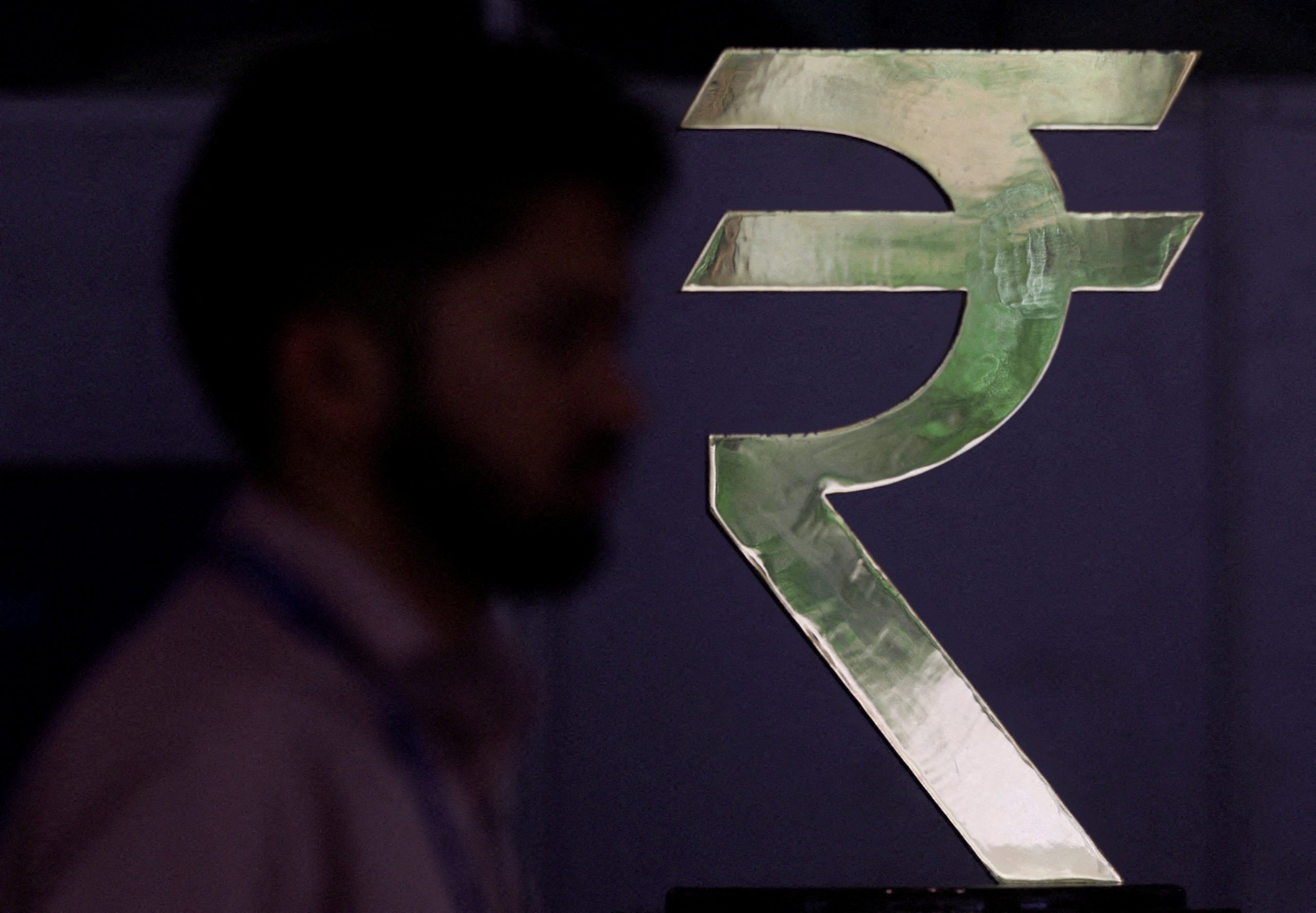
A Fresh Wave of Pressure on the Indian Rupee
The Indian rupee has once again moved close to its record low against the U.S. dollar, and that has brought the Reserve Bank of India’s actions into sharp focus. Currency markets rarely stay quiet for very long. Small movements can suddenly become larger ones when global investors change direction. That is exactly why many economists have started discussing whether the RBI should intervene more aggressively or simply allow market forces to decide the rupee’s value.
Nobody can ignore how quickly global events shape currency markets today. A stronger U.S. dollar, rising Treasury yields, uncertain geopolitical conditions, and changing capital flows all put pressure on emerging market currencies. India is not isolated from those forces. Even though the country’s economic growth remains relatively healthy, the rupee still faces challenges whenever international investors become cautious.
Why the Rupee Is Losing Ground Again
Currencies move because buyers and sellers react to hundreds of different signals every day. The Indian rupee has weakened mainly because the U.S. dollar continues to remain strong compared to many other global currencies. Investors often move money toward dollar-denominated assets whenever uncertainty increases across international markets.
Oil prices also matter far more than many people realize. India imports a large amount of crude oil every year. When crude becomes expensive, Indian companies need more dollars to pay foreign suppliers. That additional demand naturally puts downward pressure on the rupee.
Foreign institutional investors have also reduced exposure during uncertain periods. Even temporary outflows can create noticeable pressure because large investment funds move billions of dollars at a time. That affects market sentiment almost immediately.
The RBI Intervention Debate Is Growing
The Reserve Bank of India constantly monitors exchange rate movements, but there is always debate over how much intervention is appropriate. Some experts argue that the RBI should actively sell dollars from its foreign exchange reserves whenever the rupee weakens too quickly. Others believe excessive intervention may only delay natural market adjustments.
Supporters of intervention say sudden depreciation creates unnecessary volatility. Businesses struggle to plan imports, exporters face uncertainty, and financial markets become nervous. A calmer currency market usually supports economic confidence.
Critics, however, point out that defending a currency too aggressively can reduce foreign exchange reserves without permanently changing market direction. If global conditions remain unfavorable, intervention alone cannot reverse long-term trends.
Foreign Exchange Reserves Still Offer Confidence
One reason investors remain relatively calm is India’s sizeable foreign exchange reserves. These reserves provide the RBI with flexibility during periods of market stress. Unlike several emerging economies that operate with limited reserves, India has built a stronger financial cushion over many years.
That does not mean reserves should be spent carelessly. Every intervention involves balancing short-term stability against long-term financial security. Central banks generally prefer preventing excessive volatility instead of defending any specific exchange rate.
Financial markets understand this strategy quite well. Traders usually watch whether the RBI slows extreme movements instead of attempting to completely reverse them.
Global Factors Continue Driving Currency Markets
Many headlines focus entirely on domestic developments, yet international conditions often play a much bigger role. The U.S. Federal Reserve’s interest rate decisions influence capital movement worldwide. Higher American interest rates attract investment toward dollar assets because returns become comparatively more attractive.
Geopolitical uncertainty creates another layer of complexity. Wars, trade tensions, and unexpected political developments encourage investors to seek safer assets. The U.S. dollar frequently benefits during those uncertain periods.
Commodity prices also remain unpredictable. Gold, crude oil, industrial metals, and agricultural products all influence global trade balances. Since India imports several essential commodities, exchange rate movements become even more sensitive.
What Businesses Are Experiencing
Indian businesses operate differently depending on whether they rely on imports or exports. Import-dependent industries often struggle when the rupee weakens because raw materials become more expensive. Companies importing electronics, machinery, chemicals, or fuel generally experience higher operating costs.
Exporters sometimes benefit from a weaker currency. Information technology firms, pharmaceutical companies, textile manufacturers, and engineering exporters may receive more rupees for each dollar earned overseas. Even then, advantages are rarely straightforward because many exporters also import components or services.
Small businesses usually face the greatest uncertainty. They often lack sophisticated currency hedging strategies available to larger corporations. Exchange rate volatility therefore creates planning difficulties for everyday operations.
How Inflation Becomes Connected
Currency weakness and inflation often move together. When imported goods become more expensive, businesses eventually pass part of those additional costs to consumers. Fuel prices influence transportation, manufacturing, and logistics, creating broader inflationary pressure across the economy.
The RBI carefully monitors inflation alongside exchange rates. Protecting price stability remains one of its primary responsibilities. Sometimes allowing limited currency depreciation makes economic sense. Other times intervention becomes necessary if inflation risks begin accelerating too quickly.
Consumers eventually notice these effects through higher prices for imported electronics, fuel, travel, and several everyday products. The relationship may not appear immediately, but it gradually becomes visible across many sectors.
Investors Are Watching Every RBI Signal
Financial markets often react not only to actual policy decisions but also to communication. Every speech by RBI officials receives close attention because investors search for clues regarding future intervention.
If markets believe the central bank will defend the rupee aggressively, speculative pressure may decrease. On the other hand, if traders expect limited intervention, volatility sometimes increases temporarily.
This communication challenge makes central banking surprisingly complicated. A few carefully chosen words can influence billions of dollars moving across international markets within hours.
Could the Rupee Recover Soon?
Predicting exchange rates remains one of the hardest tasks in economics. Countless variables interact simultaneously. Strong domestic growth, stable inflation, improving exports, and consistent foreign investment could all support the rupee over time.
However, global developments remain equally important. A softer U.S. dollar, easing geopolitical tensions, lower crude oil prices, or renewed foreign investment into emerging markets would significantly improve conditions for the Indian currency.
Short-term fluctuations should not automatically be viewed as signs of economic weakness. Most major currencies experience periods of appreciation and depreciation depending on international financial conditions.
What Ordinary Indians Should Understand
Many people assume exchange rates only matter for banks and financial traders. That is not entirely true. Students planning education abroad, families booking international vacations, businesses importing products, and investors purchasing foreign assets all experience currency movements directly.
Even people who never exchange currencies can still feel indirect effects through inflation, transportation costs, imported products, and overall economic sentiment. Understanding these connections helps explain why headlines about the rupee receive so much attention.
Instead of focusing on daily fluctuations, it makes more sense to observe broader economic trends. Temporary volatility is common, but long-term stability depends on economic fundamentals rather than short-lived market reactions.
Conclusion
The Indian rupee’s return toward near-record lows has reopened an important discussion about the Reserve Bank of India’s intervention strategy. While some experts support stronger market intervention, others believe controlled flexibility better reflects economic reality. Global interest rates, crude oil prices, foreign investment, and international uncertainty will continue shaping the rupee’s direction in the coming months. India’s healthy foreign exchange reserves provide confidence, yet careful decision-making remains essential. For businesses, investors, and ordinary citizens, understanding these currency movements is increasingly important in today’s interconnected economy. Staying informed rather than reacting emotionally is usually the smartest financial approach.